Our Short List of 3

- Best for: Gardeners filling a first bed or large containers with a light, ready-to-use mix.
- Volume: 1.5 cubic feet
- Light, aerated texture designed for container plants
- pH adjusted for optimal nutrient uptake
- Effectively retains moisture

- Best for: Organic vegetable and herb beds where a purpose-built raised bed mix matters.
- Volume: 1.5 cubic feet
- All natural and organic potting soil mix for raised garden beds
- Made for growing vegetables and herbs
- Enhanced with Myco-Tone for stronger roots
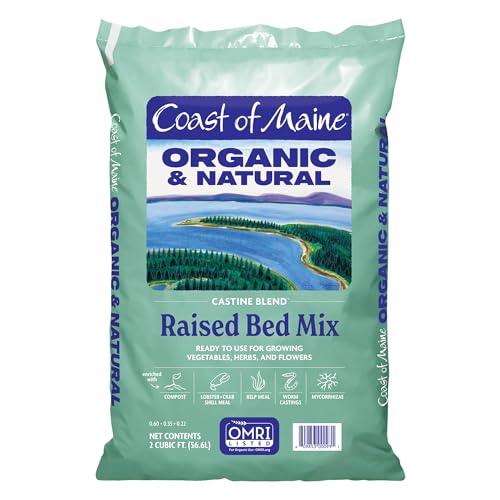
- Best for: Deep beds and heavy-feeding vegetables that benefit from a compost-rich, ready-to-use mix.
- Volume: 2 cubic feet
- Ready to use for growing vegetables, herbs, and flowers
- Enriched with compost, peat, biochar, and worm castings
- Contains kelp meal, lobster meal, greensand, lime, and mycorrhizae
All 3 Picks at a Glance
| Product | Specs | Action |
|---|---|---|
| FoxFarm Ocean Forest Potting Soil |
| Check price on Amazon |
| Espoma Organic Raised Bed Mix |
| Check price on Amazon |
| Coast of Maine Castine Blend Raised Bed Mix |
| Check price on Amazon |
Key takeaways
- Find the best soil combination for raised garden beds, with ready-to-use mixes and compost-rich blends, plus ratios that keep roots fed and drained.
Filling a raised bed is a decision about structure and staying power, not about finding one magic bag. A mix that holds water in a shallow timber frame can turn dense and airless after a few heavy rains, while a loose, fast-draining blend can leave tomato roots thirsty by midsummer. The right combination gives roots room to breathe, holds moisture between waterings, and keeps feeding plants as the season goes on, so the choice matters more than the brand name on the bag.
This guide is for first-time bed builders filling a new frame, vegetable growers topping up tired soil, and herb gardeners who want a ready-to-use mix without blending from scratch. Each pick below comes from its Amazon listing title and listed ingredients, so you can compare bag size, base ingredients, and intended use before deciding which blend fits your bed.
Quick Picks
As an Amazon Associate we earn from qualifying purchases
| Product | Best for | Key spec from title |
|---|---|---|
| FoxFarm Ocean Forest Potting Soil | Containers and beds that need a light, airy mix | 1.5 cu ft, pH adjusted for nutrient uptake |
| Espoma Organic Raised Bed Mix | Organic vegetable and herb beds | 1.5 cu ft, all natural and organic raised bed mix |
| Coast of Maine Castine Blend Raised Bed Mix | Compost-rich beds for vegetables, herbs, and flowers | 2 cu ft, ready to use, OMRI Listed |
How to Choose
Start with the base ratio
A workable raised bed combination usually starts with roughly six parts topsoil to three parts compost to one part aeration material such as perlite or coarse bark. Topsoil gives the bed its body and weight, compost supplies nutrients and microbial life, and the aeration share keeps the blend from packing down after watering. Bagged mixes already follow a version of this balance, so read the ingredient list instead of guessing from the bag colour. If a blend lists mostly peat or coir with little compost, plan to mix in compost yourself before planting heavy feeders such as tomatoes, squash, or brassicas.
Check drainage before nutrients
Drainage decides whether roots breathe or sit in wet soil, and it matters more than any single nutrient claim on a bag. A good raised bed mix should feel crumbly in the hand, not sticky like wet clay and not dusty like dry peat. Perlite, bark, and biochar all open up air pockets, while fine compost and worm castings hold moisture in the spaces between. Water a test handful in a pot and watch how fast it drains: steady dripping within a minute points to a healthy structure, while standing water on top warns that the mix will compact in a real bed.
Look for organic matter that keeps feeding
Compost is what keeps a bed productive after the first month, because it releases nutrients slowly as it breaks down and feeds the soil life around the roots. Blends built on compost, worm castings, kelp meal, and alfalfa meal tend to support steady growth without constant top-ups, while mixes based mainly on peat or coir run out of steam sooner. Check whether the listing names its compost sources and meals rather than hiding behind a vague organic label. A blend with several named ingredients gives you a clearer picture of what your plants will draw on through the season.
Match the bag to the bed size
Bag size is the easiest detail to get wrong, and running short halfway through a fill is a common frustration. A bed measuring four feet by eight feet and ten inches deep needs about twenty-seven cubic feet of mix, which works out to eighteen bags of a 1.5 cubic foot blend. Measure length, width, and depth before ordering, then round up by one bag to allow for settling during the first waterings. Smaller one cubic foot bags suit shallow herb beds and top-ups, while larger two cubic foot bags make more sense when you are filling a deep bed from empty.
The 3 Best Options
FoxFarm Ocean Forest Potting Soil
- Best for: Gardeners filling a first bed or large containers with a light, ready-to-use mix.
- Volume: 1.5 cubic feet
- Light, aerated texture designed for container plants
- pH adjusted for optimal nutrient uptake
- Effectively retains moisture
Gardeners filling a first bed or large containers with a light, ready-to-use mix.
The airy texture dries faster than heavy compost blends in shallow beds, so check moisture more often in hot weather.
Ocean Forest suits gardeners who want a light, ready-to-use mix for raised beds and large containers without building a blend from separate ingredients. Its aerated texture keeps the mix from packing down, and the pH adjustment supports nutrient uptake for a wide range of vegetables, herbs, and flowers. Because it arrives ready to use, it works well for a first bed where you want to plant the same weekend you fill the frame, and its moisture retention helps during hot spells when shallow beds dry out fast.
Watch out for: The airy texture dries faster than heavy compost blends in shallow beds, so check moisture more often in hot weather.
Espoma Organic Raised Bed Mix
- Best for: Organic vegetable and herb beds where a purpose-built raised bed mix matters.
- Volume: 1.5 cubic feet
- All natural and organic potting soil mix for raised garden beds
- Made for growing vegetables and herbs
- Enhanced with Myco-Tone for stronger roots
Organic vegetable and herb beds where a purpose-built raised bed mix matters.
Plan to top up the bed after the first few waterings, as fresh mixes settle and the surface level drops.
Espoma Organic Raised Bed Mix is built specifically for raised beds, which makes it a straightforward choice for vegetable and herb growers who want an organic blend without mixing their own. Its base combines natural and organic ingredients with Myco-Tone, a mycorrhizal blend intended to support stronger root growth. The 1.5 cubic foot bag is a practical size for filling a new bed in stages or refreshing a bed that has settled over winter, and the named meals in the mix give a clear sense of what feeds the soil.
Watch out for: Plan to top up the bed after the first few waterings, as fresh mixes settle and the surface level drops.
Coast of Maine Castine Blend Raised Bed Mix
- Best for: Deep beds and heavy-feeding vegetables that benefit from a compost-rich, ready-to-use mix.
- Volume: 2 cubic feet
- Ready to use for growing vegetables, herbs, and flowers
- Enriched with compost, peat, biochar, and worm castings
- Contains kelp meal, lobster meal, greensand, lime, and mycorrhizae
Deep beds and heavy-feeding vegetables that benefit from a compost-rich, ready-to-use mix.
The rich compost base holds moisture well, so make sure the bed drains freely before planting crops that dislike wet feet.
Castine Blend is the compost-heavy option in this guide, and it suits beds where long-season feeding matters more than a light, fluffy texture. Its ingredient list reads like a full soil recipe: compost, peat, biochar, worm castings, dehydrated poultry manure, kelp meal, lobster meal, greensand, lime, and mycorrhizae. The two cubic foot bag covers more ground per bag than the smaller options here, which helps when filling a deep bed from empty, and the OMRI Listed label marks it for organic growers.
Watch out for: The rich compost base holds moisture well, so make sure the bed drains freely before planting crops that dislike wet feet.
Which One Fits Your Situation
Filling a brand-new deep bed
Choose the Coast of Maine Castine Blend when you are starting from an empty frame. Its two cubic foot bags cover ground faster than the smaller bags here, and the compost-heavy recipe gives new beds a nutrient base that lasts into the season. Mix it through the full depth rather than layering it on top, so roots meet the same structure all the way down.
Growing vegetables all season
Pick the Espoma Organic Raised Bed Mix for a vegetable bed you plan to crop from spring into autumn. It is made for raised bed vegetable growing, and the combination of Myco-Tone, worm castings, and meals supports steady root growth. Top it up with a little extra compost midway through the season to replace what heavy feeders have used.
Herbs and salad leaves in a shallow bed
Go with FoxFarm Ocean Forest for shallow beds of herbs, lettuce, and salad leaves. Its light, aerated texture suits plants with finer roots, and the moisture retention helps small beds that dry out between waterings. Because it is ready to use, you can fill, plant, and water in a single afternoon without extra blending.
Topping up an existing bed
Use the Espoma Organic Raised Bed Mix or the Coast of Maine Castine Blend to refresh a bed that has settled over winter. Either one adds fresh organic matter and structure to tired soil, so fork it into the top few inches rather than leaving it as a separate layer. A two to three inch top-up each spring keeps the level right and feeds the soil for the season ahead.
Common Mistakes
- Filling a bed with topsoil alone, which compacts into a dense block that roots struggle to move through.
- Using only potting mix in a deep bed, where its light structure settles fast and leaves the surface well below the frame.
- Skipping the volume calculation and running out of mix with the bed only half full.
- Planting straight into a fresh mix without watering it in first, so dry pockets stay dry around the roots.
- Ignoring drainage and blaming slow growth on feeding, when the real problem is water sitting around the roots.
Frequently Asked Questions
What is the best soil combination for raised garden beds?
A reliable combination is roughly six parts topsoil to three parts compost to one part aeration material such as perlite or coarse bark. Topsoil gives body, compost feeds plants and soil life, and the aeration share keeps the mix open. Ready-to-use bagged mixes such as the ones in this guide already follow a version of this balance, so they suit gardeners who would rather not blend from scratch.
How much soil do I need for a raised bed?
Multiply length by width by depth to get the volume in cubic feet, then divide by the bag size to find how many bags you need. A four by eight foot bed ten inches deep needs about twenty-seven cubic feet, or eighteen bags of a 1.5 cubic foot mix. Always round up by one bag, because fresh mix settles after the first few waterings and the surface level drops.
Can I use potting soil in a raised garden bed?
Yes, potting soil works in raised beds, especially light mixes such as FoxFarm Ocean Forest, but it performs best when blended with compost or a dedicated raised bed mix. Pure potting soil settles quickly in a deep bed and can dry out faster than a compost-rich blend. Mixing it with compost adds nutrients and weight, which helps the bed hold moisture through hot weather.
How often should I replace raised bed soil?
You rarely need to replace it all. Top up the bed with two to three inches of fresh compost or raised bed mix each spring, and fork it into the existing soil so the layers blend. Full replacement only makes sense if the old mix is badly compacted, contaminated, or full of persistent weed roots. Regular top-ups keep the structure and nutrient levels steady year after year.