Our Short List of 3
All 5 Picks at a Glance
| Product | Specs | Action |
|---|---|---|
 1. Survival Garden Seeds 30 Variety Heirloom Seed Collection | Check price on Amazon | |
 2. Survival Garden Seeds Farmer 100 Variety Seed Vault | Check price on Amazon | |
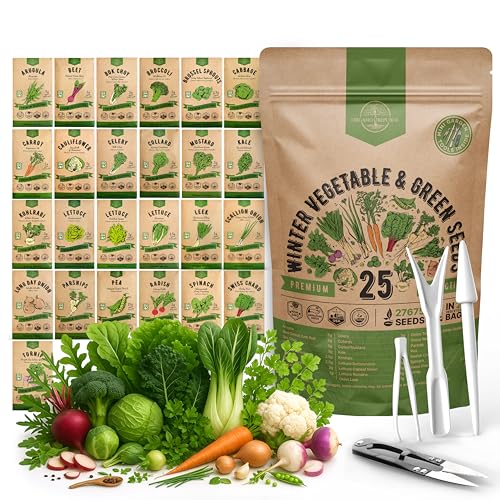 3. Organo Republic 25 Winter Vegetable and Greens Seed Variety Pack | Check price on Amazon | |
 4. Organo Republic 25 Summer Vegetable and Fruit Seed Variety Pack | Check price on Amazon | |
 5. HOME GROWN 4 Kale Heirloom Seed Variety Set | Check price on Amazon |
Key takeaways
- Find the best vegetables for small raised beds, from compact lettuce and bush beans to space-saving carrots, plus seed kits that fit a small garden.
A small raised bed can grow an impressive amount of food when every square foot is put to work. The best vegetables for small raised beds are compact, productive, and easy to harvest without sprawling across the whole plot. Leafy greens, bush beans, root crops, and dwarf tomatoes all earn their place in a bed that measures only a few feet across, and choosing the right varieties matters just as much as choosing the right crops.
This guide covers how to pick vegetables that suit a compact bed, which seed kits give you the most useful range of varieties, and how to plan a small bed so nothing gets crowded out. Whether you are working with a single 4-by-4-foot bed or a pair of narrow planters, the ideas below will help you grow more in less space.
How to Choose
1. Mature Size and Footprint
The single most important factor in a small bed is how much room each plant needs at full size. A single sprawling squash plant can swallow a whole 4-by-4-foot bed, while a square foot of lettuce can hold four to nine plants. Look for varieties described as compact, bush, dwarf, or patio types, and check the spacing guidance on the seed packet before you sow. Square-foot gardening charts are a handy reference: one plant per square foot for peppers and bush beans, four per square foot for lettuce and chard, and sixteen per square foot for radishes and carrots.
2. Days to Harvest
Fast crops let you grow more than one round in a single season. Radishes are ready in about a month, lettuce and spinach in five to seven weeks, and bush beans in under two months. In a small bed, quick crops are valuable because they free up space for a second or third planting. Slow crops such as winter squash or Brussels sprouts tie up a bed for months, so they are a poor fit unless you have room to spare.
3. Vertical Growth Habit
Plants that grow up instead of out are a gift to small gardens. Pole beans, cucumbers on a trellis, and indeterminate cherry tomatoes use vertical space that would otherwise go to waste. A simple trellis along the north side of a bed keeps vines off the soil, improves airflow, and leaves the sunny front of the bed open for low-growing crops. Even peas, which climb readily, can produce a solid harvest from a narrow strip along one edge.
4. Continuous Harvest Versus Single Harvest
Some vegetables give you one harvest and then the plant is done, while others keep producing for weeks. Lettuce, chard, kale, and herbs can be picked leaf by leaf over a long season, which means a small patch keeps feeding you. Determinate tomatoes and head cabbage, by contrast, ripen all at once and then occupy space with nothing left to offer. In a small bed, favor cut-and-come-again crops and stagger your sowings so new plants are ready as old ones finish.
5. Sun and Soil Depth
Most vegetables need at least six hours of direct sun a day, and fruiting crops such as tomatoes and peppers want even more. Place tall crops on the north side so they do not shade shorter neighbors. Soil depth matters too: a bed that is eight to twelve inches deep suits lettuce, radishes, herbs, and bush beans, while carrots and parsnips need deeper, loose soil to form straight roots. If your bed is shallow, choose short-rooted varieties such as round carrots and baby beets.
6. Season and Climate Fit
A small bed works best when it is planted for the season in front of you. Cool-season crops such as lettuce, spinach, peas, and radishes thrive in spring and fall, while warm-season crops such as tomatoes, peppers, and beans need soil that has warmed up after the last frost. Seed variety packs that span both seasons let you rotate crops through the year instead of buying new packets for every planting window. Check your local frost dates and match varieties to the months when they grow best.
7. Seed Quality and Variety Range
For a small bed, a well-chosen seed collection is often more useful than a stack of single-variety packets. Look for non-GMO heirloom seeds with clear germination information, individual packets that keep each variety separate, and a mix that leans toward compact and fast-growing types. A collection that includes lettuce, carrots, radishes, beans, and herbs covers most of what a small bed can grow well, and leftover seed can be stored for the next season if kept cool and dry.
Top Picks
1. Survival Garden Seeds 30 Variety Heirloom Seed Collection
Survival Garden Seeds 30 Variety Heirloom Seed Collection
This 30-variety collection is a strong starting point for a small raised bed because it covers the full range of compact crops: lettuce, spinach, radishes, carrots, bush beans, cucumbers, peppers, and tomatoes, along with herbs such as basil and cilantro. The seeds are non-GMO heirloom varieties, and each type comes in its own packet, so you can sow a few rows of each without opening everything at once.
The collection includes several varieties that suit tight spaces especially well. Little Finger carrots are a short-rooted type that fits shallow beds, National Pickling cucumbers can be trained up a trellis, and Parris Island lettuce is a cut-and-come-again green that keeps producing after each picking. With more than 18,500 seeds across 30 varieties, one collection can supply several seasons of planting in a small bed, and the mix spans both cool-season and warm-season crops.
Who it is for: gardeners who want one purchase to cover a whole small bed through spring, summer, and fall.
Caveats: a few varieties in the collection, such as pumpkin and watermelon, need far more room than a small bed can offer, so treat those as optional extras for a larger plot or a container elsewhere. As with any seed collection, germination depends on soil warmth, moisture, and sowing depth, so follow the packet guidance for each variety.
2. Survival Garden Seeds Farmer 100 Variety Seed Vault
Survival Garden Seeds Farmer 100 Variety Seed Vault
For gardeners who plan to grow year-round or share seed with family, this 100-variety collection offers the widest range of any pick in this guide. It includes compact staples such as bush beans, lettuce, radishes, and carrots, plus a broad set of herbs, brassicas, and heat-loving crops. The seeds are non-GMO heirloom varieties chosen for reliable germination and adaptability across growing zones.
The breadth of this collection is its main advantage in a small bed: you can trial many varieties and keep the ones that perform best in your soil and climate. It includes Spacemaster cucumber, a compact variety bred for small spaces, along with multiple lettuce, bean, and cabbage types that let you rotate crops through the seasons. The sealed kit format also suits long-term storage, so unused packets stay viable for future seasons.
Who it is for: committed gardeners who want maximum variety and plan to grow in raised beds, containers, and traditional rows across the year.
Caveats: 100 varieties is more than any single small bed needs, so a good share of the packets will sit in storage while you use a smaller set. The collection is best seen as a long-term seed supply rather than a one-season kit, and it works best when you keep a simple planting plan so you sow the compact varieties first.
3. Organo Republic 25 Winter Vegetable and Greens Seed Variety Pack
Organo Republic 25 Winter Vegetable and Greens Seed Variety Pack
Cool-season crops are some of the best performers in small raised beds, and this 25-variety pack is built entirely around them. It includes arugula, beets, bok choy, broccoli, carrots, cauliflower, kale, lettuce, peas, radishes, spinach, Swiss chard, and turnips, with more than 27,000 seeds across 25 individual packets. The seeds are non-GMO heirloom varieties, packed in a resealable waterproof bag that keeps unused packets organized.
Almost every variety in this pack fits a small bed well. Leafy greens and root crops take up little room, grow quickly, and can be sown in succession from late summer through fall and again in early spring. Cherry Belle radishes mature in about a month, Buttercrunch lettuce forms compact heads that suit tight spacing, and Imperator 58 carrots are a reliable type for beds with decent depth. Because cool-season crops tolerate light frost, this pack also extends the growing season beyond summer.
Who it is for: gardeners who want to keep a small raised bed productive in spring and fall, or who live in a mild climate with a long cool season.
Caveats: this is a cool-season pack, so it does not include tomatoes, peppers, or beans for summer. Pair it with a warm-season collection if you want year-round coverage. Some varieties, such as Brussels sprouts and cabbage, need more room and time than the quickest crops in the pack, so give them a full square foot each.
4. Organo Republic 25 Summer Vegetable and Fruit Seed Variety Pack
Organo Republic 25 Summer Vegetable and Fruit Seed Variety Pack
This 25-variety pack is the warm-season counterpart to the winter pack above, covering beans, cucumbers, eggplant, okra, peppers, squash, tomatoes, and melons with more than 1,870 seeds in 25 individual packets. The seeds are non-GMO heirloom varieties, stored in a resealable waterproof bag, and the pack is designed for outdoor and indoor sowing alike.
For a small raised bed, the most useful varieties here are the compact ones: bush beans that stay tidy, peppers such as California Wonder and jalapeno that fit one plant per square foot, and cherry tomatoes that can be trained up a stake or cage. Cucumbers and squash can also work if they are given a trellis or allowed to spill over the edge of the bed, but they need a clear plan so they do not crowd out their neighbors. The pack includes both slicing and pickling cucumbers, giving you a choice between fresh eating and preserving.
Who it is for: gardeners planning a summer bed with warm-season crops and a mix of vegetables for fresh eating and preserving.
Caveats: several varieties in this pack, including melons and pumpkins, are too large for a small bed and are better grown elsewhere or skipped. Summer crops need warm soil and full sun, so wait until after the last frost before sowing outdoors. Squash and melons also attract more pests than leafy greens, so keep an eye on the plants as they grow.
5. HOME GROWN 4 Kale Heirloom Seed Variety Set
HOME GROWN 4 Kale Heirloom Seed Variety Set
Kale is one of the most productive vegetables for a small raised bed, and this set focuses on it entirely, with four heirloom varieties: Blue Scotch, Dwarf Siberian, Lacinato, and Red Russian. The seeds are non-GMO and USA-sourced, and the set contains 700 seeds across the four varieties. Kale tolerates cold, keeps producing leaves for months, and fits neatly into a square-foot layout, with one plant per square foot for most types.
Growing four varieties side by side adds color and texture to a bed while letting you compare flavors and leaf shapes. Lacinato, also called Dino kale, has long, dark, slightly savoyed leaves that hold up well in cooking. Red Russian brings purple stems and tender leaves, Blue Scotch is a classic curly type, and Dwarf Siberian stays compact, making it a good fit for the tightest beds. Because kale can be harvested leaf by leaf, a small patch can supply greens for months.
Who it is for: gardeners who want a reliable, long-season green and enjoy growing several varieties of one crop.
Caveats: this set covers only kale, so it is a supplement to a broader seed collection rather than a complete bed plan on its own. Kale can attract cabbage worms in warm weather, so check the undersides of leaves regularly and pick off any caterpillars you find.
Comparison Table
| Seed Pick | Varieties | Best Season | Small-Bed Strengths | Watch Out For |
|---|---|---|---|---|
| Survival Garden Seeds 30 Variety Collection | 30 | Spring, summer, fall | Wide range of compact crops, individual packets | Pumpkin and watermelon need more room |
| Survival Garden Seeds Farmer 100 Variety Vault | 100 | Year-round | Largest variety range, long-term storage | More than one small bed needs |
| Organo Republic 25 Winter Pack | 25 | Spring and fall | Fast cool-season crops, succession sowing | No warm-season vegetables included |
| Organo Republic 25 Summer Pack | 25 | Summer | Peppers, beans, and cherry tomatoes for small beds | Melons and squash can crowd a bed |
| HOME GROWN 4 Kale Set | 4 | Spring through fall | Long harvest window, compact plants | Kale only, no other vegetables |
Which One Is Right for You?
If you are starting your first small raised bed and want one purchase to cover it, the Survival Garden Seeds 30 Variety Collection is the most balanced choice. It spans the seasons, includes compact varieties of the crops small beds grow best, and gives you enough seed for several rounds of planting.
If you garden year-round, share seed with others, or want to trial many varieties before settling on favorites, the Farmer 100 Variety Vault offers the deepest bench. It is the most generous option here, but it makes sense mainly if you will use it across multiple beds and seasons.
For gardeners who think in seasons, the two Organo Republic packs work as a pair: the winter pack keeps the bed full in spring and fall with greens and roots, while the summer pack takes over once the soil warms up. Buying the pack that matches the season ahead is a simple way to keep a small bed productive without buying single-variety packets one at a time.
And if you already have a seed supply but want one crop that keeps producing for months, the HOME GROWN kale set is a focused addition. A few square feet of kale, picked leaf by leaf, can anchor a small bed from spring through the first frosts.
Whatever you choose, plan the bed before you sow. Sketch the layout, put tall crops on the north side, and leave room for paths between beds so you can reach every plant without stepping on the soil. A small bed rewards planning more than a large one does, because every square foot counts.
Frequently Asked Questions
What vegetables grow best in a 4-by-4-foot raised bed?
Lettuce, spinach, radishes, carrots, bush beans, kale, and chard are among the best choices, because they stay compact and can be planted close together. Add one or two cherry tomato plants on a stake or cage, and a trellis of cucumbers or pole beans along the north edge, and a 4-by-4-foot bed can hold eight to ten different crops in a season.
How many vegetables can I plant in a small raised bed?
It depends on the crops and their spacing. A 4-by-4-foot bed holds about 16 square feet of growing space, which can mean 16 pepper or bush bean plants, 64 lettuce plants, or 256 radishes if planted at full density. In practice, most gardeners mix crops: a few square feet of greens, a few of roots, and a few of fruiting vegetables, with succession sowings to fill gaps as crops finish.
Can I grow tomatoes in a small raised bed?
Yes, but choose the right type. Determinate and dwarf varieties stay compact and suit small beds, while indeterminate cherry tomatoes grow tall and need a sturdy stake, cage, or trellis. One tomato plant per two square feet is a safe spacing, and pruning the lower leaves improves airflow. Avoid large indeterminate beefsteak types unless you have room for a tall cage and are willing to give up space to a single plant.
When should I start seeds for a small raised bed?
Start cool-season crops such as lettuce, peas, radishes, and spinach two to four weeks before the last expected frost, either directly in the bed or indoors for transplanting. Start warm-season crops such as tomatoes, peppers, and beans after the last frost, when the soil has warmed. Succession sow fast crops every two to three weeks so the bed stays full as earlier plantings are harvested.
Disclosure: As an Amazon Associate, we may earn from qualifying purchases.