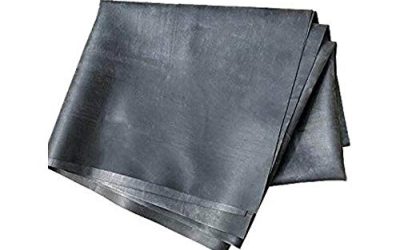
Our Short List of 3
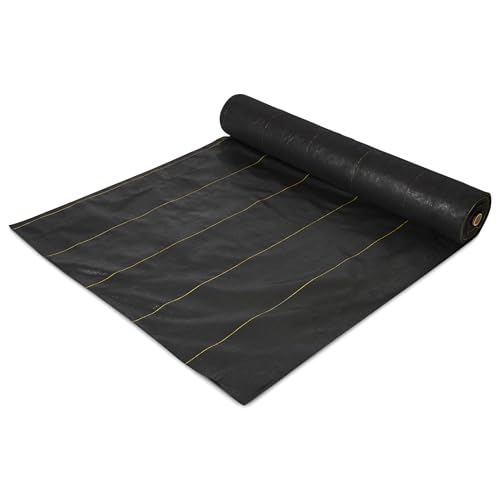
- Material: woven polypropylene
- Fabric weight: 5 oz
- Roll size: 5 ft x 250 ft
- Intended use: ground cover and bed lining for gardens, greenhouses, and landscaping

- Material: landscape fabric, 5 oz class
- Roll size: 3 ft x 100 ft
- Model number: EG-LF-5OZ-3X100
- Intended use: raised beds and in-ground gardens

- Material: woven polypropylene
- Fabric weight: 3.2 oz
- Roll size: 3 ft x 300 ft
- Intended use: greenhouse floors, garden rows, raised beds, and landscaping
All 4 Picks at a Glance
| Product | Specs | Action |
|---|---|---|
| 1. DeWitt Pro-5 Weed Barrier Fabric — Best Overall |
| Check price on Amazon |
| 2. ECOgardener Premium 5 oz Landscape Fabric — Best for a Typical Home Garden |
| Check price on Amazon |
| 3. DeWitt Sunbelt Weed Barrier Fabric — Best for Several Beds |
| Check price on Amazon |
 4. EXTRAEASY Garden Weed Barrier Landscape Fabric — Best for Long Beds |
| Check price on Amazon |
Key takeaways
- Find the best drainage for raised garden beds with woven landscape fabric liners that let water pass, hold soil in place, and block weeds from below.
A raised bed can look perfect on the day you fill it and still grow badly a month later. The most common hidden cause is water that cannot move. If the base of the bed sits on compacted clay, a patio slab, or dense native soil, irrigation water pools at the bottom, the lower layer of mix stays saturated, and roots sit in cold, airless soil. The opposite problem is just as common: an open-bottom bed on sandy or sloping ground loses fine soil particles every time you water, so the bed slowly sinks and nutrients wash straight through.
That is why the best drainage for raised garden beds is usually not a thick layer of gravel, and it is not a solid plastic sheet. Gravel creates a perched water table inside the bed, and solid plastic traps water completely. A permeable woven landscape fabric liner, laid across the bottom of the bed before you add soil, solves both problems at once. Water passes through the weave and drains away, while the fabric holds the soil mix inside the bed and blocks weeds pushing up from the ground below.
This guide focuses on one product type only: woven polypropylene landscape fabric used as a drainage liner for the base of a raised bed. Every pick below is that same type of product, in a different weight and roll size, so you can compare like with like. You will find a heavy professional fabric for permanent beds, a mid-size roll for a typical home garden, a lighter long roll for several beds, and a wide roll for long beds that need lining in a single piece.
Disclosure: As an Amazon Associate, I earn from qualifying purchases.
Quick Picks
- Best overall: DeWitt Pro-5 Weed Barrier Fabric, 5 oz, 5 ft x 250 ft — the heaviest woven fabric in this guide, suited to permanent beds you do not plan to rebuild.
- Best for a typical home garden: ECOgardener Premium 5 oz Landscape Fabric, 3 ft x 100 ft — the same heavy fabric weight in a smaller, easier-to-handle roll.
- Best for several beds: DeWitt Sunbelt Weed Barrier Fabric, 3.2 oz, 3 ft x 300 ft — a long, lighter roll that lines multiple beds from one purchase.
- Best for long beds: EXTRAEASY Garden Weed Barrier Landscape Fabric, 3.2 oz, 4 ft x 250 ft — a wide roll that covers a long bed without seams.
Why a Fabric Liner Improves Raised Bed Drainage
Drainage in a raised bed depends on water moving down through the soil mix and then out of the bed at the same rate it arrives. A woven fabric liner supports that movement in three ways. First, the weave is permeable, so water, air, and dissolved nutrients pass through instead of pooling on an impermeable base. Second, the fabric separates the bed mix from the ground beneath, so fine particles are not washed down into subsoil cracks or lost through gaps between boards at the base. Third, it stops the bed mix from mixing with muddy native soil after heavy rain, which keeps the lower layer of the bed loose and free-draining instead of clogged with clay.
Placement matters as much as the fabric itself. The liner belongs at the very bottom of the bed, laid flat across the base and turned up the inside walls by a few inches, then trimmed level with the top of the boards once the bed is filled. It should not be wrapped over the top of the soil, and it should not be doubled up, because two layers slow water movement and can hold a saturated layer between them.
1. DeWitt Pro-5 Weed Barrier Fabric — Best Overall
- Material: woven polypropylene
- Fabric weight: 5 oz
- Roll size: 5 ft x 250 ft
- Intended use: ground cover and bed lining for gardens, greenhouses, and landscaping
The DeWitt Pro-5 is a woven landscape fabric made for professional growers, and it is the heaviest option in this guide. Lined across the base of a raised bed, it gives permanent beds a durable separation layer that keeps draining season after season while holding the soil mix in place.
According to the product listing, the fabric is woven from 5-ounce polypropylene and is designed to allow air, water, and nutrients to pass through while blocking weed growth from below. The roll measures 5 feet by 250 feet, so a single roll lines many standard beds, and the width covers most bed widths in one piece with enough material left to turn up the inside walls. The listing also notes resistance to punctures, tears, and ultraviolet light.
For drainage specifically, the tight, heavy weave is the point. It resists the stretching and thinning that lighter fabrics can suffer under the weight of wet soil, so the pores in the weave stay open and water keeps moving through the base of the bed instead of ponding on a sagging liner.
Specifications
Pros
Cons
View the DeWitt Pro-5 on Amazon
2. ECOgardener Premium 5 oz Landscape Fabric — Best for a Typical Home Garden
- Material: landscape fabric, 5 oz class
- Roll size: 3 ft x 100 ft
- Model number: EG-LF-5OZ-3X100
- Intended use: raised beds and in-ground gardens
The ECOgardener Premium fabric offers the same heavy 5-ounce class of woven material as the Pro-5, but in a 3 ft by 100 ft roll that is far easier for a home gardener to store, carry, and cut. For one to three standard beds, this is the most practical size in the guide.
The product listing describes it as a heavy-duty weed barrier gardening mat that is lightweight and permeable yet durable, designed so that air and water pass through rather than being blocked. It is listed for raised beds and in-ground gardens, and the maker describes the design as eco-friendly and convenient to set up. The model number given on the listing is EG-LF-5OZ-3X100.
As a drainage liner, its job is identical to the other picks: lay it across the base of the bed, let it turn up the sides slightly, and fill the bed on top of it. Excess water from watering or rain moves down through the soil, crosses the fabric, and leaves the bed, while the soil mix itself stays put instead of washing out through the base.
Specifications
Pros
Cons
View the ECOgardener Premium on Amazon
3. DeWitt Sunbelt Weed Barrier Fabric — Best for Several Beds
- Material: woven polypropylene
- Fabric weight: 3.2 oz
- Roll size: 3 ft x 300 ft
- Intended use: greenhouse floors, garden rows, raised beds, and landscaping
The DeWitt Sunbelt is the lighter, longer-running option from the same maker as the Pro-5. At 3.2 ounces, the woven polypropylene is easier to cut, fold, and staple inside a bed frame, and the 3 ft by 300 ft roll provides enough length to line a whole run of beds in one session.
The listing states that the Sunbelt fabric is woven to resist punctures, tears, and weed growth, as well as ultraviolet rays, and that it is designed to allow air, water, and nutrients to pass through. The maker positions it for greenhouses, outdoor landscaping, and gardens, and notes a service life of up to five consecutive years in direct sunlight. Buried at the base of a raised bed, away from direct sun, the fabric is protected from its main source of wear.
For drainage, the lighter weave still passes water freely through the base of the bed while keeping the soil mix separated from the ground below. It is a sensible choice when you are building several new beds at once and want one consistent liner across all of them, rather than the heaviest fabric concentrated in a single permanent bed.
Specifications
Pros
Cons
View the DeWitt Sunbelt on Amazon
4. EXTRAEASY Garden Weed Barrier Landscape Fabric — Best for Long Beds
- Material: woven landscape fabric
- Fabric weight: 3.2 oz
- Roll size: 4 ft x 250 ft
- Coverage stated on the listing: 1,000 square feet
The EXTRAEASY fabric is a 3.2-ounce woven landscape fabric supplied on a 4 ft by 250 ft roll. That width is its main advantage for raised beds: a typical 4-foot-wide bed can be lined across its full width in one piece, with the length of the roll letting you line long beds without a seam across the drainage layer.
The product listing describes the fabric as a heavy-duty woven weed block and garden bed liner with high water permeability, chosen to support garden irrigation, and states that it is strong and durable while remaining easy to cut and install. As with the other picks, that combination is exactly what a bed base needs: water moves down and out through the weave, while the fabric keeps the soil mix from migrating out of the bed and stops weeds rising from below.
Because the roll covers a large area, it also suits gardeners who want to line the bed and the path around it with the same material, keeping the whole plot consistent. Inside the bed, use a single layer only, and secure the turned-up edges with the weight of the soil rather than pins that could tear the weave as the bed settles.
Specifications
Pros
Cons
View the EXTRAEASY fabric on Amazon
How to Choose a Drainage Liner for a Raised Bed
Choose woven, never solid. A drainage liner must pass water. Woven polypropylene does this through its weave. Solid plastic sheeting traps water in the bed, and very tight non-woven materials can clog with fine soil particles over time and slow drainage. Every pick in this guide is woven for that reason.
Match fabric weight to how permanent the bed is. A 5-ounce fabric suits a permanent bed built on rough or stony ground, where the liner faces the most pressure and you never want to replace it. A 3.2-ounce fabric is easier to handle and entirely adequate for most home beds, especially on level, cleared ground.
Buy the roll width that matches your bed width. A liner laid in one piece drains evenly and has no overlap ridges where soil can collect. If the roll is narrower than the bed, overlap strips generously and keep the overlaps flat. If it is wider, fold the excess up the inside walls rather than bunching it at the base.
Prepare the ground first. Clear sharp stones and roots from the base before laying the fabric, level the ground so water does not gather in one corner, and only then line the bed. A liner cannot fix a base that slopes toward a blocked corner.
Skip the gravel layer. A thick gravel layer under the soil inside a raised bed does not improve drainage; it creates a boundary that water crosses reluctantly, so the soil above it stays wetter. A fabric liner at the base, with soil mix filled directly on top of it, drains more evenly.
Line the bottom only. Keep fabric off the top surface of the bed where you plant. A bottom liner drains the bed and blocks weeds from below without interfering with watering, mulching, or root growth at the surface.
Frequently Asked Questions
Does a raised bed need a liner to drain properly?
Not always. A bed on free-draining, level soil can drain well with no liner at all. A liner helps most when the bed sits on clay, compacted ground, paving, or weedy soil, because it keeps the drainage path open while stopping soil loss and weed growth from below.
Will landscape fabric stop my raised bed from draining?
A woven fabric should not, because water passes through the weave. Drainage problems come from solid plastic, doubled fabric layers, or fabric that has been folded into thick bunches at the base. Use one flat layer of woven material.
Should I put gravel under the fabric for extra drainage?
No. Place the fabric directly on the prepared ground and fill the bed with soil mix on top of it. A gravel layer inside the bed raises the saturated zone closer to the roots instead of lowering it.
How far up the sides of the bed should the liner go?
Turn the fabric up the inside walls by a few inches so soil cannot escape at the base joint, then trim any excess level with the top of the boards after filling. The liner does not need to reach the top of the bed.
Can I use one of these fabrics in a bed on a patio or deck?
Yes, and this is one of the best uses for a liner. The fabric lets excess water escape from the base while keeping soil mix off the surface below, which reduces staining and mess after watering.
How long does a fabric liner last under a raised bed?
It depends on fabric weight and ground conditions. Heavier woven fabric generally lasts longer, and a liner buried at the base of a bed is shielded from sunlight, which is the main cause of breakdown in landscape fabrics.
Conclusion
The best drainage for raised garden beds comes from keeping the base of the bed open, permeable, and separated from the ground beneath it, and a woven landscape fabric liner does all three jobs in a single layer. Choose the DeWitt Pro-5 for a permanent bed where maximum fabric weight matters, the ECOgardener Premium for the same heavy class of fabric in a home-garden roll size, the DeWitt Sunbelt when you are lining several beds at once, or the EXTRAEASY roll when a long, wide bed needs lining in one piece. Prepare the ground, lay one flat layer, fill the bed directly on top of it, and the bed will drain the way its soil mix was designed to.