Key takeaways
- Plan residential pellet heat with two compact stoves compared on coverage, hopper size, burn time and controls, using specs taken from each Amazon listing.
Adding a pellet stove to a home works best when it is planned as zone heating: one stove, sized for the living area it can actually reach, placed where venting and clearances fit the room. Oversize the stove and it short-cycles through mild weeks; undersize it and the far rooms stay cold while the stove runs flat out. The real decision is matching rated coverage and hopper capacity to the zone you live in most, then confirming the room can take the vent run and floor protection.
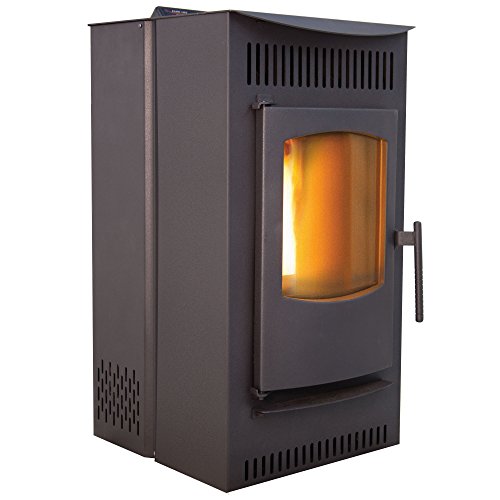

This comparison is for homeowners planning supplemental heat for a main living zone, an addition or a finished basement, and for cabin owners on residential lots. Both stoves were selected from the names and specifications on their Amazon product pages: the Castle Serenity 12327, a narrow programmable model for smaller zones, and the PelPro PP70, a larger-hopper dial-control model for longer stretches between refills.
Quick Picks
As an Amazon Associate we earn from qualifying purchases.
| Product | Best for | Key spec from title |
|---|---|---|
| Castle Serenity 12327 Pellet Stove | Scheduled heating in a smaller living zone | 18-1/4 in wide cabinet |
| PelPro PP70 Pellet Stove | Fewer refill trips in a mid-size zone | 42,500 BTU, heats up to 2,000 sq ft |
How to Choose
Size the Stove to the Zone, Not the Whole House
A compact pellet stove heats the open area around it well and distant closed rooms poorly, so plan around the zone rather than the home’s total floor area. Compare the rated heating coverage on each listing with the square footage of the rooms that connect openly to the stove’s room. A stove rated for 1,500 square feet suits a single-level living area or open-plan floor, while a 2,000 square foot rating gives headroom for a larger open space. In a well-insulated home a smaller stove often holds temperature more evenly than a big unit cycling on and off.
Hopper Capacity and Realistic Burn Time
Hopper size decides how your heating routine feels day to day. A 40 pound hopper typically holds one standard bag of pellets, and the Castle listing rates that at 12 hours on high to 24 hours on low, so a hard cold snap means daily filling. A 70 pound hopper stretches refills toward two days of fuel on the PelPro listing, which matters if the stove heats a home you leave for work all day. When planning, also allow dry indoor or garage storage for several bags near the stove, because pellets that absorb moisture feed badly and produce more ash.
Controls: Schedules, Thermostats and Simple Dials
Control style shapes how closely the stove follows your routine. The Castle Serenity’s Smart Controller offers Manual, Weekly, Thermostat and Eco modes, so it can warm the room before you get up and ease back overnight on a seven-day pattern. The PelPro PP70 takes the opposite approach: an easy-dial temperature control working with a built-in thermostat, which suits households that set one comfort level and adjust it by hand. Neither approach is better in the abstract. Pick the one that matches how the home is actually occupied, because a schedule you never program saves nothing.
Venting, Clearances and Power in the Room Plan
Every pellet stove needs a planned vent route, usually a short run of pellet vent pipe through a wall or up through the roof, plus the manufacturer’s clearances to walls, furniture and flooring, and a noncombustible hearth pad under the unit. Measure the corner or wall you have in mind before ordering, and check the cabinet width and depth on the listing against that space with clearance added. Pellet stoves also need household power for the auger, blower and igniter, so the plan needs an outlet within cord reach that is not shared with a heavy appliance circuit.
The 2 Best Options
Castle Serenity 12327 Pellet Stove
The Serenity is the planning-friendly pick for a smaller zone: at 18-1/4 inches wide it fits corners and short walls that wider stoves cannot use, and its weekly programmable controller suits homes with a predictable routine. The listing rates it for up to 1,500 square feet with a 40 pound hopper, and the finned heat exchanger is designed to pull more heat from a compact cabinet. It is a sensible centrepiece for a single-level living area, a large addition or a finished basement where the schedule, rather than raw output, does most of the work.
Specs
- Heating coverage: up to 1,500 square feet
- Heat output: 31,960 BTU input; 9,575 to 22,226 BTU output
- Hopper capacity: 40 lb
- Burn time: 12 hours on high to 24 hours on low per 40 lb bag
- Dimensions: 18-1/4″W x 34″H x 23-3/4″D
- Weight: 186 lb
- Power: 120V plug-in; 77 watts operating, 400 watts ignition
- Controller: Smart Controller with Manual, Weekly, Thermostat and Eco modes
- Safety features: thermal overload protection and safety shut off
Best for: Households heating one smaller living zone on a set weekly schedule.
Watch out for: The listing’s specification table shows the ventilation type as “Vent Free”, which does not match how pellet stoves exhaust; confirm the required vent pipe and clearances in the manual before finalising the room plan.
ASIN: B00FQR70VY
PelPro PP70 Pellet Stove
The PP70 suits a mid-size zone where refill frequency is the main irritation to plan away. Its 70 pound hopper is rated on the listing for up to two days of fuel, and output reaches up to 42,500 BTU input for spaces up to 2,000 square feet. Controls stay deliberately simple, with an easy dial and a built-in thermostat rather than a programming menu, and a variable speed blower spreads the heat. For a family room, open kitchen-living space or a workshop conversion that is occupied most of the day, this is the lower-fuss of the two plans.
Specs
- Heating coverage: up to 2,000 square feet
- Heat output: up to 42,500 BTU input
- Hopper capacity: 70 lb, up to 2 days of fuel
- Efficiency: EPA certified, 89 percent as stated in the listing
- Emissions: 0.49 gram per hour
- Ignition: 300W auto-igniter
- Blower: variable speed blower
- Controls: easy-dial temperature control with built-in thermostat
- Fuel: premium or standard grade wood pellets
Best for: Mid-size open zones where a two-day hopper and simple dial control matter most.
Watch out for: The stove ships assembled and bolted to a pallet, so plan the delivery route, door widths and a helper for moving it into place before ordering.
ASIN: B0BN4N7WWJ
Which One Fits Your Situation
You Heat One Living Zone on a Fixed Routine
Choose the Castle Serenity. Its weekly programmable controller can raise the room temperature before the household wakes and drop it back during work hours, and the 40 pound hopper matches a once-a-day filling habit in a zone of up to 1,500 square feet. The narrow cabinet also makes it the easier of the two to place in an existing room without rearranging furniture around a wider stove body.
You Want the Fewest Refill Trips
Choose the PelPro PP70. The 70 pound hopper is the largest in this comparison and is rated for up to two days of fuel, so a full weekend of heating a mid-size zone does not hinge on remembering the evening refill. The dial control also suits a home where several people adjust the heat and nobody wants to learn a programming menu to do it.
You Are Planning Heat for an Addition or Finished Basement
Start with the zone’s square footage and vent route rather than the stove. An addition under about 1,500 square feet with a short exterior wall run points to the Serenity; a larger open basement points to the PP70’s extra coverage. In both cases, confirm floor protection and clearances first, because moving a vent hole afterwards is the costliest planning error with either model.
You Prefer Set-and-Forget Simplicity
Choose the PP70 if your household sets one comfortable temperature and leaves it there. Its dial and built-in thermostat hold that level without schedules to maintain. The Serenity earns its place only if someone will actually use the weekly programming; bought for its controller and then run manually, it gives up its main advantage while keeping the smaller hopper.
Safety Notes
- Install the stove on a noncombustible hearth pad and keep the manufacturer’s stated clearances to walls, curtains, furniture and other combustible materials.
- Vent the stove with pellet vent pipe made for this appliance type, sealed and routed as the manual describes; never vent it into a flue that serves another appliance.
- Fit carbon monoxide alarms and smoke alarms in the home, including near sleeping areas, and test them on a regular schedule.
- Store pellets in a dry place away from the stove itself, and keep the area around the stove clear of pellet bags and other combustibles.
- Empty ash only when it is fully cold, into a metal container with a tight lid kept outdoors away from the house, and clean the burn pot and ash pan on the schedule in the manual.
- Pellet stoves need electricity to feed fuel and run the blower; if the power fails, let the fire die down on its own and do not open the door to speed it up.
- Check local building code and permit requirements before installation, and have the finished venting inspected where your area requires it.
Common Mistakes
- Sizing the stove to the whole house instead of the open zone it will actually heat, then wondering why closed bedrooms stay cold.
- Choosing the room before planning the vent route, and discovering the pipe run crosses a joist, a window or a property-line setback.
- Reading the hopper’s longest burn time as typical, when that figure applies to the lowest setting in mild weather.
- Skipping the hearth pad and clearance measurements because the stove looks small in listing photos.
- Storing pellet bags in a damp garage or shed, then blaming the stove for poor feeding and heavy ash.
Frequently Asked Questions
How large a zone can a compact pellet stove realistically heat?
Work from the rated coverage on the listing and the openness of the floor plan. The two stoves here are rated at up to 1,500 and up to 2,000 square feet, and both will do their best work in open areas on one level. Closed rooms, long hallways and poor insulation all shrink the useful zone well below the headline figure.
How often will I need to refill the hopper?
It depends on the setting and the weather. The Castle listing rates a 40 pound bag at 12 hours on high to 24 hours on low, so expect daily filling in cold spells. The PelPro’s 70 pound hopper is rated for up to two days of fuel. Most owners settle into a quick daily top-up routine regardless of stove size.
Will a pellet stove keep heating during a power outage?
No. Both stoves here need household electricity for the auger, igniter and blower, so an outage stops fuel feeding and the fire burns down safely on its own. Households in outage-prone areas should plan a separate backup heat source for long cuts, and should never try to hand-feed pellets into a running stove.
What should I budget space for besides the stove itself?
Plan for the hearth pad under the unit, the clearance zone on all sides, the vent pipe run, and dry storage for several bags of pellets within easy carrying distance. Add access room for cleaning the ash pan and burn pot. Together these can claim as much floor area again as the stove’s own footprint, especially in a small room.