Our Short List of 3

- Best for: Vegetable and herb growers who want an organic raised bed mix with mycorrhizae included.
- Brand: Espoma
- Volume: 1.5 cubic feet per bag
- Stated use: raised garden beds and outdoor containers
- Key ingredients: earthworm castings, alfalfa meal, kelp meal, and feather meal

- Best for: Mixed planting beds where one ready-to-use blend has to cover vegetables, herbs, and flowers.
- Brand: FoxFarm
- Volume: 1.5 cubic feet per bag
- Item weight: 40 pounds
- Model number: RBPM1.5E

- Best for: Gardeners who want a castings-based mix for raised beds and large planters.
- Brand: Wiggle Worm
- Item weight: 40 pounds
- Unit count: 640 ounces
- Main components: worm egg material mixed with odor free pure worm castings
All 4 Picks at a Glance
| Product | Specs | Action |
|---|---|---|
| Espoma Organic Raised Bed Mix |
| Check price on Amazon |
| FoxFarm Raised Bed Planting Mix |
| Check price on Amazon |
| Wiggle Worm Raised Bed Mix |
| Check price on Amazon |
 Burpee Premium Organic Potting Mix |
| Check price on Amazon |
Key takeaways
- Compare affordable bagged soils for raised garden beds, from ready-to-use raised bed mixes to smaller organic bags for topping off beds each season.
Filling a raised bed looks simple until the bags start adding up. A standard bed holds far more soil than most first-time buyers expect, and the wrong mix can mean poor drainage, hungry plants, or a bed that settles into a shallow trough by midsummer. The real decision is how much volume you need, what the blend is made of, and how much feeding is already built into the bag.
This guide is for home gardeners filling a first bed, refreshing soil in an existing one, or topping off a small bed without hauling home a pallet. The picks below are bagged mixes sold on Amazon, from full-size raised bed blends like the Espoma and FoxFarm mixes to smaller organic potting soils from Back to the Roots and Burpee that suit compact beds and seasonal top-ups.
Quick Picks
As an Amazon Associate we earn from qualifying purchases
| Product | Best for | Key spec from title |
|---|---|---|
| Espoma Organic Raised Bed Mix | Gardeners who want mycorrhizae in the bag | 1.5 cubic foot bag |
| FoxFarm Raised Bed Planting Mix | Mixed beds of vegetables, fruit, and flowers | 1.5 cubic feet with earthworm castings and oyster shell |
| Wiggle Worm Raised Bed Mix | Worm-based feeding in beds and planters | 40 pound bag with worm egg material and pure worm castings |
| Back to the Roots All-Purpose Potting Mix | Peat-free top-ups for small beds | 6 quart bags, 2 packs, 100 percent organic |
| Burpee Premium Organic Potting Mix | Small beds and container-grown vegetables | 9 quarts with coconut coir, OMRI Listed |
How to Choose
Bag volume and how much your bed actually holds
Volume is where budgets quietly break down. A 4 foot by 8 foot bed filled 12 inches deep needs roughly 32 cubic feet of soil, so a single 1.5 cubic foot bag barely makes a dent in a new build. Smaller bags in the 6 to 9 quart range make sense for topping off settled beds, filling a compact 2 foot by 2 foot bed, or blending into existing soil. Before ordering, measure your bed’s length, width, and depth in feet and multiply them together to get the cubic feet required, then match the order to that number rather than guessing from the size of the bag in a photo.
What the blend is built from
The base material shapes how a mix holds water and feeds roots. Peat moss bases, like the FoxFarm blend, hold moisture well but can dry into a crust if watering lapses. Coir-based mixes, such as the Burpee and Back to the Roots options, rewet more easily and are sold as peat-free alternatives. Compost-heavy blends, including the Wiggle Worm mix, lean on decomposed organic matter for structure. None of these is automatically better; the practical question is whether your watering habits and climate match the base. Gardeners in hot, dry regions often favor moisture-holding blends, while rainy climates reward mixes that drain freely.
Feeding that is already in the bag
Some mixes arrive with fertilizer built in, while others rely on slow organic inputs. Espoma lists earthworm castings, alfalfa meal, kelp meal, and feather meal among its ingredients, and Burpee prints a fertilizer analysis of 0.12-0.12-0.12 on its listing. Castings and meals release nutrients gradually as they break down, which suits gardeners who would rather not follow a separate feeding schedule in the first weeks. Check the listing for a stated feeding duration, and remember that a built-in charge is a starting point, not a full-season plan for heavy feeders like tomatoes and squash.
Organic listings and added biology
Several of these bags carry organic credentials or added soil biology worth weighing. Burpee’s mix is OMRI Listed, and Espoma includes Myco-Tone, described as a proprietary blend of endo and ecto mycorrhizae. Wiggle Worm takes a different route, mixing worm egg material with pure worm castings so the biology itself is part of the product. If you garden organically, look for the OMRI mark or a full ingredient list on the listing rather than the word natural alone, since only listed products have been reviewed against organic input standards.
The 5 Best Options
Espoma Organic Raised Bed Mix
- Best for: Vegetable and herb growers who want an organic raised bed mix with mycorrhizae included.
- Brand: Espoma
- Volume: 1.5 cubic feet per bag
- Stated use: raised garden beds and outdoor containers
- Key ingredients: earthworm castings, alfalfa meal, kelp meal, and feather meal
Vegetable and herb growers who want an organic raised bed mix with mycorrhizae included.
One bag covers only a modest area, so large beds need many bags; plan the count before ordering.
Gardeners filling a bed specifically for vegetables and herbs will find this mix aimed squarely at them. Espoma builds the blend around natural and organic ingredients, including earthworm castings and a set of meals, and adds its Myco-Tone mycorrhizae blend, which the listing presents as support for root systems. It is positioned for two jobs: filling a new raised bed from empty, or refreshing the soil in a bed that has already grown a season or two. The 1.5 cubic foot bag is a practical unit for planning, since bed volume math stays simple when every bag matches.
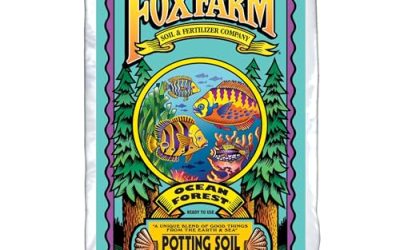
FoxFarm Raised Bed Planting Mix
- Best for: Mixed planting beds where one ready-to-use blend has to cover vegetables, herbs, and flowers.
- Brand: FoxFarm
- Volume: 1.5 cubic feet per bag
- Item weight: 40 pounds
- Model number: RBPM1.5E
Mixed planting beds where one ready-to-use blend has to cover vegetables, herbs, and flowers.
The peat moss base can dry out between waterings in hot weather, so consistent moisture matters.
FoxFarm’s entry is a ready-to-use planting mix blended for raised beds and containers, and its ingredient list reads like a soil recipe rather than a filler. Aged forest products and sphagnum peat moss form the base, while earthworm castings, oyster shell, and dolomite lime supply the fertilizer component the listing describes as slow-release nutrition. That combination suits gardeners planting a mixed bed of vegetables, flowers, fruits, and herbs who want to pour, plant, and move on without amending a plain mix themselves. At 40 pounds, the bag is heavy but manageable for one person to carry to a backyard bed.
Wiggle Worm Raised Bed Mix
- Best for: Gardeners who want a castings-based mix for raised beds and large planters.
- Brand: Wiggle Worm
- Item weight: 40 pounds
- Unit count: 640 ounces
- Main components: worm egg material mixed with odor free pure worm castings
Gardeners who want a castings-based mix for raised beds and large planters.
The listing gives weight rather than cubic feet, so compare coverage by the bed you are filling, not by bag size alone.
Most bagged soils treat worm castings as one ingredient among many; this mix is built around them. Wiggle Worm combines its worm bedding soil, which carries worm egg material, with pure worm castings to make a ready-to-use raised bed mix sold in a 40 pound bag. The listing describes compost in the blend as improving soil structure and water retention, and it gives application guidance for raised beds and planters: open the bag and pour it straight in. Gardeners who already buy castings as a separate amendment may prefer this format, where the castings and the growing medium arrive in a single bag.
Back to the Roots All-Purpose Potting Mix
Not every raised bed job needs a full-size bag. This peat-free potting mix comes as two 6 quart bags, a format that fits topping off a settled bed, filling a small herb bed, or blending fresh mix into the top layer before replanting. The formula is 100 percent organic and made in the USA, built on coconut coir with organic plant food, worm castings, and yucca extract, which the listing says helps with water and nutrient retention. Mycorrhizae are also included. For gardeners avoiding peat, or anyone whose bed only needs a seasonal refresh rather than a full refill, the smaller bags keep the purchase proportional to the job.
Specs
- Brand: Back to the Roots
- Pack: 6 quart bags, 2 packs (192 ounces total)
- Item type: natural and organic all-purpose peat-free potting mix
- Ingredients named in the listing: coconut coir, organic plant food, worm castings, yucca extract, and mycorrhizae
- Model number: 47005-2PK
- Item weight: 4.4 pounds
- Made in the USA
Best for: Peat-free top-ups, small herb beds, and refreshing the surface layer of an existing bed.
Watch out for: The total volume is small, so it is not an economical way to fill a large new bed from scratch.
ASIN: B0BZW6G4FQ
Burpee Premium Organic Potting Mix
- Best for: Small beds, balcony gardens, and first-time buyers who want an OMRI Listed mix in a compact bag.
- Brand: Burpee
- Volume: 9 quarts
- Base: coconut coir
- OMRI Listed for organic gardening
Small beds, balcony gardens, and first-time buyers who want an OMRI Listed mix in a compact bag.
At 9 quarts, several bags are needed even for a modest bed, so it suits top-ups and small spaces best.
Burpee’s 9 quart bag is the compact option in this group, aimed at container gardeners whose vegetables and herbs also spill over into small raised beds. The mix uses coconut coir, which the listing presents as the moisture-balancing base, and it carries an OMRI Listing for organic gardening. A fertilizer analysis of 0.12-0.12-0.12 is printed in the listing, and Burpee describes the mix as feeding plants for up to three months. For a single small bed, a balcony setup, or a gardener testing a new bed before committing to full-size bags, the modest volume keeps the first purchase small while still covering the basics.
Which One Fits Your Situation
You are filling a brand-new vegetable bed
Start with one of the full-size raised bed mixes, Espoma or FoxFarm, and order by cubic feet rather than by bag count guesses. Both are ready to use straight from the bag and are blended for beds rather than pots. Espoma leans on castings and meals with added mycorrhizae, while FoxFarm uses a peat and forest products base with oyster shell and dolomite lime in the fertilizer portion.
Your existing bed has settled and needs topping off
Beds lose volume as organic matter breaks down, and a top-up rarely justifies full-size bags. The Back to the Roots two-pack or a bag of Burpee covers a shallow refresh across a small bed, and both are peat-free or coir-based, which makes them easy to work into the surface. Rake the new mix into the top few inches rather than leaving it as a separate layer.
You already feed with worm castings
If castings are part of your routine, the Wiggle Worm mix folds that step into the soil itself, combining worm egg material with pure worm castings in a 40 pound bag. It pours straight into raised beds and planters, so a gardener who normally buys castings separately can simplify the spring restock into one product and keep the same organic approach.
You garden organically and check labels
Look at the Espoma and Burpee bags first. Burpee’s mix is OMRI Listed, and Espoma states that no synthetic plant foods or chemicals are used in its blend, with an ingredient list built from castings and meals. Reading the full ingredient panel on whichever listing you choose matters more than front-of-bag wording, since organic claims vary in what they actually certify.
Common Mistakes
- Underestimating volume: a 4 foot by 8 foot bed at 12 inches deep holds about 32 cubic feet, far more than a few 1.5 cubic foot bags provide.
- Filling a deep bed entirely with potting mix when the bed only needs the top layer refreshed, which overspends on the layers roots rarely reach.
- Ignoring the base material: peat-based mixes and coir-based mixes behave differently when they dry out, and rewetting a fully dried peat blend takes patience.
- Assuming built-in fertilizer lasts all season; most listings describe a limited feeding window, and heavy feeders usually need more later.
- Leaving bags stored open outdoors, where rain turns them soggy and heavy long before planting day.
Frequently Asked Questions
How many bags of soil does a raised bed need?
Multiply the bed’s length, width, and depth in feet to get cubic feet, then divide by the bag volume. A 4 foot by 4 foot bed filled 1 foot deep needs 16 cubic feet, which is about eleven 1.5 cubic foot bags. Sellers often print coverage charts on the listing, and those charts are the safest reference for a specific bag.
Can potting mix be used in a raised bed?
Yes, for small beds and top-ups, and several mixes here are sold for both containers and beds. The trade-off is volume and cost per cubic foot: potting mix bags are smaller, so filling a large bed entirely with them takes many bags. For big beds, a raised bed mix in 1.5 cubic foot bags is usually the more practical format.
What does OMRI Listed mean on a soil bag?
OMRI is the Organic Materials Review Institute, and its listing means the product’s ingredients have been reviewed for use in organic production. It does not certify results, only that the inputs meet the program’s standards. Gardeners who want verified organic inputs can look for the OMRI mark on the listing, as on the Burpee mix, rather than relying on the word natural.
How long does the fertilizer in bagged soil last?
It varies by product. Burpee describes its mix as feeding for up to three months, while blends built on castings and meals release nutrients gradually as those materials break down. Either way, plan to check plants mid-season, especially fruiting vegetables, and add fertilizer then if growth slows, rather than assuming the bag covers the whole season.