Our Short List of 3

- Best for: Daily and weekly sink cleaning in busy bathrooms where soap scum builds up fast.
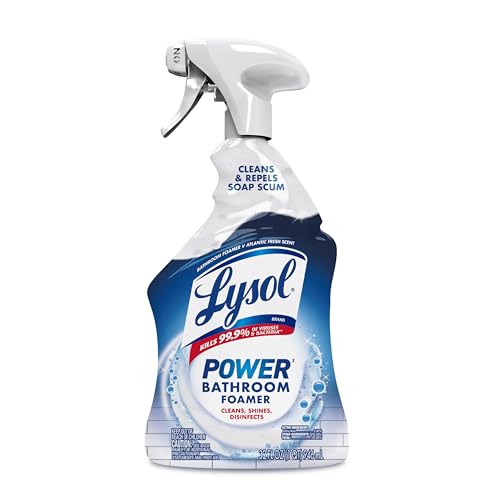
- Best for: Family bathrooms where disinfection and a bleach-free formula both matter.

- Best for: Sinks with visible staining and heavy soap scum that need a stronger foaming clean.
All 4 Picks at a Glance
| Product | Specs | Action |
|---|---|---|
| Clorox Bathroom Ultra Foamer |
| Check price on Amazon |
| Lysol Power Foaming Bathroom Cleaner |
| Check price on Amazon |
| Kaboom OxiClean Foam-Tastic |
| Check price on Amazon |
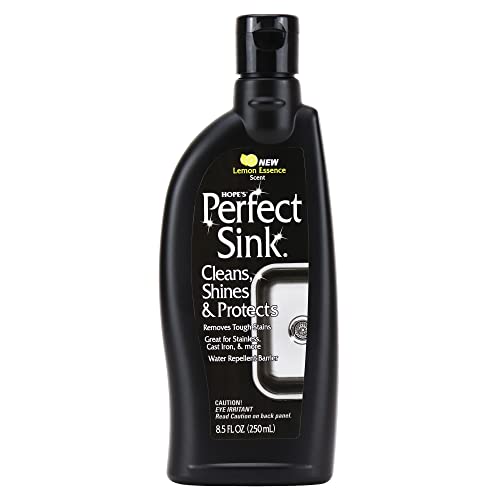 HOPE’S Perfect Sink Cleaner and Polish |
| Check price on Amazon |
Key takeaways
- Discover the best cleaning agent for bathroom sinks, from foaming sprays that lift soap scum to a restorative polish, and pick the right formula for your basin.
A bathroom sink takes a surprising amount of abuse for such a small fixture. Every day it collects toothpaste splatter, soap residue, makeup, shaving cream, and hair products, and in homes with hard water, those deposits quickly turn into chalky rings and dull film around the basin and drain. Left alone, the buildup traps odors, stains porcelain, and makes the whole bathroom look neglected even when the rest of the room is tidy. The best cleaning agent for bathroom sinks cuts through that layered grime without damaging the finish, works in the short time you actually have for chores, and leaves the basin bright rather than streaky. This guide compares foaming sprays and a dedicated sink polish, explains how to match a formula to your sink material, and helps you choose between a quick daily spritz and a deeper restorative clean. Whether your sink is porcelain, stainless steel, acrylic, or a composite material, the right cleaner makes the job faster and protects the surface for years to come.
Disclosure: As an Amazon Associate, we earn from qualifying purchases.
Quick Picks at a Glance
| Product | Key Spec | Best For |
|---|---|---|
| Clorox Bathroom Ultra Foamer | Foam spray, 16 fl oz bottle plus refill | Everyday soap scum removal |
| Lysol Power Foaming Bathroom Cleaner | Foam spray, 32 fl oz, 0% bleach | Disinfecting family bathrooms |
| Kaboom OxiClean Foam-Tastic | Foaming aerosol, 19 oz, citrus scent | Heavy grime and stained basins |
| HOPE’S Perfect Sink Cleaner and Polish | Liquid polish, 8.5 fl oz | Restoring dull or stained sinks |
How to Choose
Formula type. Foaming sprays and aerosols cling to the curved walls of a basin and to vertical surfaces around the faucet, giving the active ingredients time to work instead of running straight down the drain. A liquid sink polish, by contrast, is rubbed in by hand and suits targeted stain removal and restoring shine. Choose foam for routine cleaning and polish for revival work.
Surface compatibility. Porcelain and glazed ceramic tolerate most bathroom cleaners, while acrylic, Corian, composite, and natural stone need gentler formulas. Always check the label for your sink material before spraying, and spot-test an inconspicuous area when trying a new product on a specialty surface.
Soap scum and hard water power. The main enemies of a bathroom sink are soap scum, toothpaste film, and mineral deposits from hard water. Look for a cleaner that names soap scum and limescale on its label rather than one that only promises a fresh scent.
Disinfecting ability. Sinks harbor bacteria from hands, toothbrushes, and cosmetics. If disinfection matters to you, pick a product with a stated germ-kill claim and follow its dwell time, because the surface must stay wet for the full contact period to deliver the claimed result.
Scent and fumes. Bathrooms are small and often poorly ventilated. A bleach-based foam is powerful against mold and mildew stains, but a bleach-free formula with a lighter scent is more comfortable for daily use and for households with sensitive noses.
Dwell time and effort. Some foams ask you to spray, wait a few minutes, and rinse with little or no scrubbing. Others need wiping or light agitation. If you clean in a hurry, favor a spray-and-rinse formula; if you enjoy a thorough weekly session, a polish that rewards a little elbow grease may suit you better.
Pack size and value. A larger bottle or a bundle with a refill makes sense for a cleaner you will use several times a week, while a small bottle of specialty polish lasts a long time because you only use a small amount per application.
Top Picks
Clorox Bathroom Ultra Foamer
- Best for: Daily and weekly sink cleaning in busy bathrooms where soap scum builds up fast.
Daily and weekly sink cleaning in busy bathrooms where soap scum builds up fast.
The Clorox Bathroom Ultra Foamer is a foam cleaner built for the tight corners and curved surfaces of a bathroom sink. It comes as a 16 fluid ounce spray bottle with a refill of the same size, and its aerosol-free design uses a reusable trigger that produces a thick foam. According to the listing, the foam removes 100 percent of soap scum, and the formula is designed to be sprayed on, left briefly, and rinsed away with minimal scrubbing. The Fresh Clean scent keeps the bathroom smelling clean without a heavy chemical odor. Because the foam clings where it lands, it reaches the ring around the drain, the base of the faucet, and the overflow area that flat sprays tend to miss. The listing states it can be used as a bathroom sink cleaner as well as on showers and toilets, which makes it a practical single bottle for the whole room.
Pros:
– Thick foam clings to curved basin walls and faucet bases
– Removes 100 percent of soap scum, according to the listing
– Includes a refill bottle for longer use
– Aerosol-free reusable trigger produces less plastic waste
Cons:
– The 16 ounce bottle is smaller than some competing sprays
– Foam needs a short dwell time before rinsing
– Scent options are limited compared with other brands
Lysol Power Foaming Bathroom Cleaner
- Best for: Family bathrooms where disinfection and a bleach-free formula both matter.
Family bathrooms where disinfection and a bleach-free formula both matter.
Lysol Power Foaming Bathroom Cleaner
The Lysol Power Foaming Bathroom Cleaner is a 32 fluid ounce foaming spray that combines cleaning with disinfection. Its foam is designed to eliminate soap scum, limescale, and everyday dirt without scrubbing, and the listing states it kills 99.9 percent of bathroom viruses and bacteria when used as directed. Sanitizing takes 30 seconds of contact time, which fits easily into a morning routine. The formula contains 0 percent bleach, so it avoids the harsh fumes of bleach cleaners while still tackling mold and mildew, and it is listed as septic safe. It works on washable hard, non-porous surfaces including glazed porcelain, glazed ceramic tile, stainless steel fixtures, laminated plastic, and linoleum. The Atlantic Fresh scent leaves the bathroom smelling bright. Note that the label warns against use on marble surfaces and says it may etch some older sinks and tubs, so check your basin material first.
Pros:
– Kills 99.9 percent of bathroom viruses and bacteria, per the listing
– Sanitizes in 30 seconds with no scrubbing needed
– Bleach-free formula that is septic safe
– Large 32 ounce bottle covers many cleanings
Cons:
– Not suitable for marble surfaces
– May etch some older sinks and tubs
– May discolor painted surfaces and colored grout
Kaboom OxiClean Foam-Tastic
- Best for: Sinks with visible staining and heavy soap scum that need a stronger foaming clean.
Sinks with visible staining and heavy soap scum that need a stronger foaming clean.
The Kaboom OxiClean Foam-Tastic is a foaming bathroom cleaner in a 19 ounce aerosol can with a citrus scent. Its foam is powered by OxiClean, and the listing describes it as a cleaner that eliminates soap scum, grime, and stains from bathroom surfaces. The foam expands on contact and clings to the basin, the faucet, and the drain surround, which helps it work on the vertical and curved areas where grime collects. Because it is an aerosol, the foam comes out thick and even, covering a wide area with a single press. The citrus scent is fresh and light rather than chemical. This is a good choice when a sink has visible staining or a dull film that a mild daily spray has not shifted, since the oxygen-based cleaning action is aimed at breaking down the residue that makes a basin look gray and tired.
Pros:
– OxiClean-powered foam targets soap scum, grime, and stains
– Aerosol delivery lays down thick, even foam quickly
– Citrus scent feels fresh without a strong chemical smell
– Clinging foam works well on curved and vertical sink surfaces
Cons:
– Aerosol can cannot be refilled like a trigger spray bottle
– 19 ounce size runs out faster in large households
– Needs wiping after the foam has done its work
HOPE’S Perfect Sink Cleaner and Polish
- Best for: Restoring dull, stained, or older sinks and polishing specialty sink materials.
Restoring dull, stained, or older sinks and polishing specialty sink materials.
HOPE’S Perfect Sink Cleaner and Polish
HOPE’S Perfect Sink Cleaner and Polish takes a different approach from the sprays above: it is a liquid cleaner and polish made specifically for sinks. The 8.5 fluid ounce bottle is designed for cast iron, Corian, composite, and acrylic sinks, and the listing names kitchen sinks, bathroom sinks, bar sinks, and utility sinks as intended uses. Rather than simply dissolving grime, the formula is restorative, removing stains and polishing the surface so the basin looks brighter and resists new marks. That makes it a strong pick for a sink that has lost its shine or picked up discoloration from cosmetics, hair dye, or hard water. Because it is applied by hand and worked into the surface, you control exactly where it goes, which is useful around delicate fixtures and colored basins. A little goes a long way, so the small bottle lasts through many applications.
Pros:
– Made specifically for sinks, including bathroom basins
– Restorative formula removes stains and polishes the surface
– Suitable for cast iron, Corian, composite, and acrylic
– Targeted hand application avoids overspray on fixtures
Cons:
– Requires rubbing in by hand rather than spray and rinse
– Small 8.5 ounce bottle for the amount of product
– Not a disinfectant like the foaming sprays
Comparison Table
| Product | Form | Size | Key Strength | Surfaces Listed |
|---|---|---|---|---|
| Clorox Bathroom Ultra Foamer | Foam trigger spray | 16 fl oz plus refill | Removes 100% of soap scum | Sinks, showers, toilets |
| Lysol Power Foaming Bathroom Cleaner | Foam trigger spray | 32 fl oz | Kills 99.9% of bathroom viruses and bacteria | Glazed porcelain, ceramic tile, stainless steel, laminate |
| Kaboom OxiClean Foam-Tastic | Foaming aerosol | 19 oz | OxiClean stain and grime removal | Bathroom surfaces |
| HOPE’S Perfect Sink Cleaner and Polish | Liquid polish | 8.5 fl oz | Restores shine and removes stains | Cast iron, Corian, composite, acrylic |
Buying Guide
Start with your sink material, because that narrows the field more than any other factor. Porcelain and glazed ceramic basins accept most foaming bathroom cleaners, including the Clorox and Lysol picks above. Acrylic, Corian, composite, and cast iron sinks need a gentler touch, and a dedicated sink polish such as the HOPE’S formula is designed with those materials in mind. Natural stone is the most restrictive: many bathroom cleaners warn against use on marble, so read the label and choose a stone-safe product if your basin is marble or another natural stone.
Next, decide what problem you are solving most often. If the sink is cleaned several times a week and the main issue is fresh soap scum and toothpaste film, a spray-and-rinse foam is the most efficient tool. If the basin has set-in stains, a gray film, or a dull finish, a stronger foaming cleaner or a restorative polish will do more than a light daily spray. Households that want disinfection should pick a product with a stated germ-kill claim and respect its contact time, keeping the surface wet for the full period the label requires.
Think about who uses the bathroom. A bleach-free foam is a comfortable default for family bathrooms, guest bathrooms, and small rooms with limited ventilation. A bleach-based foam is better reserved for occasional deep cleaning of mold and mildew stains. Keep any cleaner out of reach of children and store it upright in a cool, dry place away from the sink edge where it could be knocked into the basin.
Common mistakes are easy to avoid. Do not use abrasive pads or scouring powder on acrylic or composite sinks, since scratches trap grime and dull the finish. Do not mix cleaners, especially bleach products with other chemicals, and never pour a drain opener into the basin as a substitute for a surface cleaner; drain products are made for pipes, not for the visible sink. Do not skip the dwell time: foam needs a few minutes to break down soap scum, and wiping too soon just spreads the residue around. Finally, rinse thoroughly. Leftover cleaner film attracts new dirt, so a final rinse and a quick wipe with a dry cloth leaves the basin cleaner for longer and helps prevent water spots.
Frequently Asked Questions
Can I use a bleach cleaner on my bathroom sink?
Yes, on porcelain and glazed ceramic sinks a bleach-based bathroom foam is generally effective against mold, mildew, and stains. Avoid bleach cleaners on natural stone, colored surfaces, and older fixtures unless the label says they are safe, and ventilate the room well while you clean.
How often should I clean a bathroom sink?
A quick wipe or foam spray two or three times a week prevents soap scum and toothpaste film from hardening. A deeper clean once a week, including the faucet base, drain surround, and overflow, keeps the basin bright and controls odors.
Is foam better than a regular spray for sinks?
Foam has an advantage on sinks because it clings to curved basin walls and vertical surfaces instead of running off. That longer contact time helps dissolve soap scum and mineral deposits with less scrubbing than a thin liquid spray.
Are these cleaners safe for acrylic and composite sinks?
Some are, and some are not. Foaming sprays vary by formula, so check the label for your material. A dedicated sink polish such as the HOPE’S cleaner is listed for acrylic, Corian, composite, and cast iron, which makes it a safer choice for those surfaces.
How do I remove hard water rings from a bathroom sink?
Spray a foaming cleaner that targets limescale onto the ring, let it sit for the dwell time on the label, then wipe and rinse. For stubborn rings, repeat the application rather than scrubbing hard, and dry the basin afterward to slow new mineral deposits.
Can I use dish soap to clean my bathroom sink?
Dish soap removes light grease and fresh residue, but it is not designed to dissolve soap scum, limescale, or toothpaste film, and it does not disinfect. A dedicated bathroom sink cleaner will work faster and leave a brighter finish.
Conclusion
The best cleaning agent for bathroom sinks depends on your basin and your routine. For everyday soap scum, the Clorox Bathroom Ultra Foamer offers clinging foam and a handy refill. For households that want disinfection without bleach, the Lysol Power Foaming Bathroom Cleaner pairs a 99.9 percent germ-kill claim with a large 32 ounce bottle and a 30 second sanitize time. For stained basins that need extra power, the Kaboom OxiClean Foam-Tastic brings oxygen-based stain removal in a thick citrus foam. And for a sink that has lost its shine, HOPE’S Perfect Sink Cleaner and Polish restores the surface instead of just washing it. Match the formula to your sink material, give the foam time to work, and rinse well, and the smallest fixture in the bathroom will look like the cleanest one.