Our Short List of 3

- Specs:
- Volume: 1.5 cubic feet
- Bag weight: 40 pounds
- Bag dimensions: 28 x 19.5 x 5 inches

- Specs:
- Volume: 1.5 cubic feet
- Brand: Espoma
- Intended use: growing vegetables and herbs in raised garden beds

- Specs:
- Bag weight: 40 pounds
- Unit count: 640 fluid ounces
- Ingredients: compost, pure worm castings and worm egg material
All 5 Picks at a Glance
| Product | Specs | Action |
|---|---|---|
| FoxFarm Raised Bed Planting Mix, 1.5 cu ft |
| Check price on Amazon |
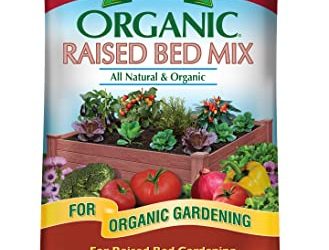
| Espoma Organic Raised Bed Mix, 1.5 cu ft |
| Check price on Amazon |
| Wiggle Worm Raised Bed Mix, 40 lb |
| Check price on Amazon |
 E.B. Stone Organics Raised Bed & Potting Mix, 2 cu ft |
| Check price on Amazon |
 Coast of Maine Castine Blend Raised Bed Mix, 1 cu ft (Pack of 4) |
| Check price on Amazon |
Key takeaways
- Compare five bagged garden soil mixes for raised beds, with bag sizes, ingredients and drainage notes to help you fill a new bed or top up an old one.
A raised bed only grows as well as the mix inside it, and the real decision is not which bag looks richest on the shelf. It is how much structure, drainage and slow-release nutrition you get for the depth of your bed, because a mix that stays soggy after rain will rot roots while a mix that drains too fast will leave plants thirsty between waterings. Bagged mixes remove the guesswork of blending your own, but they differ widely in ingredients, bag size and the crops they suit, so choosing by brand name alone is a poor shortcut.
This guide compares five ready-to-use bagged mixes for raised beds, chosen from their Amazon listing titles and stated ingredients. It suits first-time bed builders, vegetable growers filling a new bed, and gardeners topping up beds that have settled over a season. Each pick below states its bag size and blend, so you can match the mix to your bed size and planting plans before you order.
Quick Picks
As an Amazon Associate we earn from qualifying purchases.
| Product | Best for | Key spec from title |
|---|---|---|
| FoxFarm Raised Bed Planting Mix, 1.5 cu ft | All-purpose vegetable beds | 1.5 cu ft with earthworm castings and oyster shell |
| Espoma Organic Raised Bed Mix, 1.5 cu ft | Organic vegetable and herb beds | 1.5 cu ft all-natural organic mix for raised beds |
| Wiggle Worm Raised Bed Mix, 40 lb | Worm-powered feeding in beds and planters | 40 lb bag with worm castings and worm egg material |
| E.B. Stone Organics Raised Bed & Potting Mix, 2 cu ft | Filling a full bed in one bag | 2 cu ft with compost, coir, pumice and earthworm castings |
| Coast of Maine Castine Blend Raised Bed Mix, 1 cu ft (Pack of 4) | Steady feeding for vegetable beds | 1 cu ft bags, pack of 4, with biochar and shell meal |
How to Choose
Match bag volume to bed size
Start with the volume of your bed, not the number of bags on the shelf. A bed that measures 4 feet by 4 feet and 12 inches deep holds about 16 cubic feet, so a single 1.5 cubic foot bag barely covers the base layer. Count the bags you need before ordering, and remember that loose mix settles after the first few waterings, which means you will want spare volume for topping up. Pack formats change the maths too: four 1 cubic foot bags are easier to carry than a single heavy sack, but they still add up to the same total volume.
Look for drainage and texture first
A good raised bed mix should feel loose and crumbly in the hand, not dense and cloddy. Ingredients such as coir, pumice, aged forest products and perlite create air pockets that let water pass through while holding enough moisture for roots. Peat moss also holds water well, though it can dry into a crust that resists rewetting if a bed is left dry for weeks. Avoid anything that reads like plain topsoil or heavy garden soil, since those compact in a confined bed and squeeze out the air roots need. When a listing names its texture ingredients, compare them against the drainage your crops need.
Read the ingredients for feeding
Compost, earthworm castings and aged manure feed plants slowly as microbes break them down, which suits a full season of growth. Mycorrhizae and biochar appear in several blends as helpers for root development and soil structure rather than as fertiliser on their own. Some mixes carry a quick-release natural fertiliser that feeds early growth, while others rely on castings alone and run leaner by mid-season for heavy feeders such as tomatoes and squash. Check whether the label names its feeding ingredients, and plan on topping up with compost later in the season if your chosen blend is light on nutrition.
Check the label says raised beds
Not every bag of soil belongs in a raised bed, even when the brand is familiar. Potting mix is built for containers and drains fast, in-ground garden soil is denser and meant to blend with native earth, and topsoil on its own lacks the organic matter a closed bed needs. A mix labelled for raised beds is blended for the middle ground: loose enough to drain, rich enough to feed, and structured enough to hold its shape. Read the intended-use line on the listing before ordering, and skip any product whose label aims it at pots or in-ground planting only.
The 5 Best Options
FoxFarm Raised Bed Planting Mix, 1.5 cu ft
- Specs:
- Volume: 1.5 cubic feet
- Bag weight: 40 pounds
- Bag dimensions: 28 x 19.5 x 5 inches
FoxFarm builds this mix around aged forest products and sphagnum peat moss, then adds earthworm castings, oyster shell and dolomite lime for slow-release nutrition. That combination suits vegetable growers who want one ready-to-use bag for tomatoes, peppers, squash and herbs without blending anything themselves. The 1.5 cubic foot bag fits a small bed or a top-up job, and the oyster shell gives fruiting crops a calcium source that many plain mixes lack. Fill the bed, plant straight away, and water thoroughly so the mix settles around the roots.
Espoma Organic Raised Bed Mix, 1.5 cu ft
- Specs:
- Volume: 1.5 cubic feet
- Brand: Espoma
- Intended use: growing vegetables and herbs in raised garden beds
Espoma offers an all-natural and organic mix aimed squarely at vegetables and herbs in raised garden beds, and the 1.5 cubic foot bag suits a small bed or a single planting project. The listing keeps its description simple, naming no synthetic ingredients and presenting the blend as a ready-to-use soil for raised beds. Gardeners who keep an organic bed will appreciate that the mix is built for edibles from the start rather than adapted from a general-purpose soil. It pours straight from the bag, so a first-time bed builder can fill and plant in one session.
Wiggle Worm Raised Bed Mix, 40 lb
- Specs:
- Bag weight: 40 pounds
- Unit count: 640 fluid ounces
- Ingredients: compost, pure worm castings and worm egg material
Wiggle Worm takes a different route from the peat-heavy blends, building its mix from compost, pure worm castings and worm egg material. The compost improves soil structure and water retention, the castings feed gently with beneficial microbes, and the worm egg material supports soil biology over the season. The listing describes it as ready to use with no extra fertiliser required, and it pours straight from the bag into planter boxes or raised beds. That makes it a strong fit for gardeners who want worm-powered feeding rather than a peat-based mix.
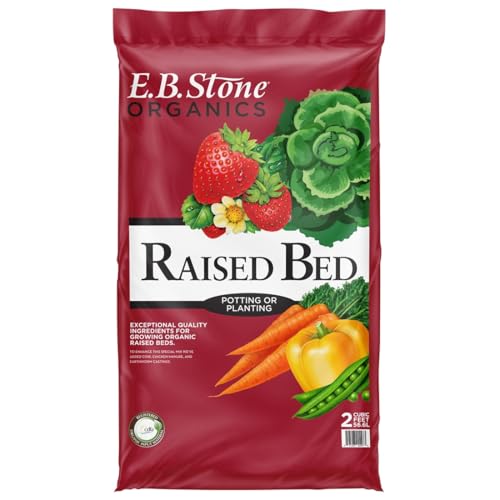
E.B. Stone Organics Raised Bed & Potting Mix, 2 cu ft
- Specs:
- Volume: 2 cubic feet (56.6 litres)
- Ingredients: compost, coir, pumice, earthworm castings and mycorrhizae
- Intended use: raised beds, large containers and vegetable gardens
E.B. Stone blends compost, coir, pumice, earthworm castings and mycorrhizae into a ready-to-use organic mix made for raised beds and large containers. The 2 cubic foot bag is the largest single bag in this guide, which makes it the most practical pick for filling a standard bed without ordering a long run of small bags. Coir and pumice keep the texture open so water drains while the mix still holds moisture, and the castings and mycorrhizae support root growth and nutrient uptake. Use it straight from the bag or blend it into existing soil when refreshing an older bed.
Coast of Maine Castine Blend Raised Bed Mix, 1 cu ft (Pack of 4)
- Specs:
- Volume: 1 cubic foot per bag, pack of 4
- Ingredients: compost, biochar, lobster and crab shell meal, mycorrhizae and worm castings
- Intended use: raised bed vegetable growing
Coast of Maine builds the Castine Blend from compost, biochar and ocean-sourced ingredients such as lobster and crab shell meal, with mycorrhizae and worm castings added for root development. The blend is aimed at steady vegetable growth rather than a fast flush of growth, and its slow-release nutrition suits a full season in the bed. It arrives as four 1 cubic foot bags, which keeps each bag light enough to carry and lets you fill a bed in stages. The listing presents it as ready to use with no extra mixing.
Which One Fits Your Situation
Filling a brand-new vegetable bed
Start with the E.B. Stone Organics mix for a standard-size bed, because its 2 cubic foot bag covers more ground per bag than the 1.5 cubic foot options. FoxFarm is the fallback when you want castings and oyster shell for fruiting crops such as tomatoes and peppers. Measure the bed first and count bags against the volume you worked out, since guessing leaves you short halfway through the fill.
Keeping the bed fully organic
Espoma, E.B. Stone and the Coast of Maine Castine Blend all present themselves as organic mixes for raised beds, and the Castine Blend carries an OMRI listing for organic use. Espoma suits a small herb or vegetable bed, while E.B. Stone fits a larger bed that needs volume as well as organic ingredients. Check the label of any blend you choose to confirm its organic claims match your own rules.
Topping up a bed that has settled
Wiggle Worm is the pick for topping up, because its compost and worm castings refresh both structure and feeding in one pour. The 40 pound bag is easy to carry to the bed and tip over the settled surface, and its worm egg material supports soil biology through the season. Work the fresh mix into the top few inches rather than leaving it as a loose layer, then water it in.
Growing heavy feeders such as tomatoes and squash
FoxFarm suits heavy feeders, since its earthworm castings and oyster shell feed steadily and its peat and forest-product base holds moisture between waterings. The Castine Blend is the alternative when you prefer slow-release nutrition from compost, biochar and shell meal over a long season. Both need topping up mid-season if the plants are large, so keep a spare bag ready for the second half of summer.
Safety Notes
Bagged soil is natural material, but the labels still carry real warnings. Avoid breathing in soil dust when you open a bag, wear gloves while handling the mix, and wash your hands after planting. Keep bags and loose mix out of reach of children and pets, and store unopened bags somewhere dry and covered so rain cannot soak through. Do not let mix wash into drains or waterways, and note that worm-casting blends can cause an allergic reaction or irritation in sensitive people. If a bag is torn or damp inside, check the mix before use and discard any material that smells sour or looks mouldy.
Common Mistakes
- Using potting mix or plain topsoil as the whole bed fill, instead of a mix blended for raised beds.
- Underestimating the volume a bed needs and running out of mix halfway through the fill.
- Skipping gloves and stirring up dust when opening and pouring dry bags.
- Filling a bed with compost alone, which settles, compacts and starves roots of air.
- Forgetting that fresh mix settles after watering, and never topping the bed back up to its full depth.
Frequently Asked Questions
How much soil mix do I need for a raised bed?
Multiply length by width by depth in feet. A 4 by 4 foot bed 12 inches deep needs about 16 cubic feet, so divide that figure by the bag size to find how many bags to order. Buy one spare bag, because fresh mix settles after watering and you will want volume for topping up.
Can I use potting mix in a raised bed?
Potting mix can fill part of a bed, but it is a poor choice on its own. Built for containers, it drains fast, dries out quickly, and is light on the mineral structure roots need. A raised bed mix blends compost, coir or peat with pumice to hold moisture while draining, which suits a bed better.
Do I need to add fertiliser to a new bagged mix?
Most bagged raised bed mixes carry feeding ingredients such as compost, worm castings or a quick-release fertiliser, so you can plant straight away. Heavy feeders such as tomatoes, squash and peppers may still run hungry by mid-season, so top up with compost once plants are established. Check the listing for feeding ingredients before deciding whether to add anything.
How often should I top up or replace raised bed soil?
Top up every season, because mix settles and loses organic matter as plants feed. Add a few inches of fresh mix or compost each spring and blend it into the top layer before planting. A full replacement is rarely needed unless the bed has drainage trouble, since regular topping up keeps the soil alive and productive.