Key takeaways
- What is the best base for raised garden beds? Compare open bottoms, cardboard, landscape fabric, hardware cloth and gravel, and match the layer to your soil.
As an Amazon Associate we earn from qualifying purchases.
The base of a raised bed decides how well water drains, how many weeds push up from below, and whether burrowing pests reach your roots, so the choice matters more than the frame itself. A bed set on bare lawn behaves very differently from one set on concrete, clay, or weedy ground, and the wrong base can leave soil soggy after rain or dry and hungry in a hot spell. Getting the layer underneath right at the start saves digging the bed out later.
This guide is for first-time vegetable growers setting up a bed on grass, renters who need a base they can remove, gardeners fighting gophers or moles, and anyone rebuilding a bed that never drained well. It explains each base option in plain terms, what it does for drainage, weeds, and pests, and how to match the layer to your ground, so you can build once and grow with confidence.
How to Choose
Drainage First: Match the Base to Your Soil
Water has to leave the bed after rain, or roots sit in wet soil and rot. On sandy or loamy ground, an open bottom or a permeable fabric layer drains well, because water moves down into the earth below. On heavy clay, a solid sheet traps water, so you need gaps, a coarse layer such as gravel, or a bed deep enough for water to spread. On concrete or paving, drainage is the problem: the bed has no soil below, so the base must let water escape sideways or through gaps, and the mix must hold moisture without turning to mud. Pour a bucket of water there and watch how fast it disappears before you build.
Weed Pressure: How Much Is Growing Underneath
Look at what already grows where the bed will sit, because that tells you how strong the weed barrier needs to be. A mown lawn with shallow grass is easy to smother with a thick cardboard layer, and most of it will rot away within a season. Couch grass, bindweed, brambles, and other spreading weeds with deep roots will push through thin fabric and find any gap, so they need a tougher approach: several overlapping cardboard layers, a heavy woven fabric, or a season of smothering before planting. If the ground is already bare soil with few weeds, you may not need a weed layer at all, and an open bottom keeps the soil biology connected.
Pests Below Ground: Gophers, Moles, and Voles
Burrowing animals are the one problem a soft base cannot solve, and they can ruin a bed in a single night by eating roots from underneath. If you have seen fresh mounds, tunnels, or plants pulled down from below, the base needs a rigid metal mesh with small openings, fixed tightly to the frame so there is no gap at the edges. Fabric, cardboard, and plastic will not stop teeth and claws. Where no burrowing pests live, mesh is wasted money and effort, and it can even slow deep-rooted plants such as carrots and parsnips. Ask neighbours or check for mounds before deciding.
Depth, Lifespan, and How Permanent the Bed Is
A shallow bed of six to eight inches depends on the ground below, because roots will reach the base layer quickly and the soil will dry fast in summer. A deep bed of twelve inches or more gives roots room above the base, so the base mainly handles weeds and pests. Think about lifespan too: cardboard rots within a year and needs replacing if you rebuild, woven fabric can last several seasons if it is not torn, and galvanised mesh can outlast the wooden frame. For a rented garden or a trial bed, choose layers you can lift away cleanly; for a permanent vegetable plot, invest in the tougher option once.
Base Options Compared
Open Bottom: Nothing Under the Bed
An open bottom means the bed frame sits directly on the ground with no layer at all, and it is the simplest base there is. Roots grow straight down into the native soil, worms move freely between the bed and the earth, and water drains naturally as long as the ground below is not compacted clay. This suits gardeners with decent loamy soil, beds at least a foot deep, and little weed or pest pressure. Its weakness is obvious: weeds and grass grow up into the bed, and burrowing animals have a clear path in. Mow the grass very short, fork the ground to loosen it, and skip this option if your lawn is full of spreading weeds.
Cardboard and Newspaper: The No-Dig Start
Thick cardboard, laid in overlapping sheets with the tape and staples removed, is the classic no-dig base for a bed on lawn. It smothers grass and light weeds by blocking light, holds moisture while it breaks down, and feeds worms as it rots, turning into soil within a season. Wet it well as you lay it, overlap every seam by several inches, and add two layers where the grass is thick or weeds are strong. Newspaper works the same way in thinner layers, though it tears more easily and needs more sheets. Cardboard will not stop deep-rooted weeds forever or block burrowing animals, so treat it as a starter layer rather than a permanent shield.
Landscape Fabric: Weed Control That Still Drains
Woven landscape fabric is a sheet of tough polypropylene that blocks light to stop weeds while letting water and air pass through. It works best on ground with moderate weed pressure, under a bed that will stay in place for years, and where you want a clean separation between the bed soil and the soil below. Look for a heavy woven fabric rather than a thin spun sheet, because the thin kind tears when you fork soil or pull a root through it. Cut it a little wider than the frame, pin it down, and overlap seams generously. Fabric does nothing against gophers, and a solid sheet of the wrong type can slow drainage on clay.
Hardware Cloth: The Pest-Proof Floor
Hardware cloth is a stiff welded wire mesh, usually with half-inch openings, that is stapled or screwed to the bottom of the frame before the bed is filled. It is the only common base that reliably stops gophers, moles, and voles, because the small openings block animals while roots and worms still pass through. Choose galvanised mesh that resists rust in damp soil, cut it a few inches wider than the frame, and fold the edges up inside the walls so there is no gap to squeeze through. Wear thick gloves when cutting, because the cut ends are sharp. On concrete or paving, mesh alone is not enough, since water still needs somewhere to go.
Gravel and Coarse Layers: Drainage on Clay and Concrete
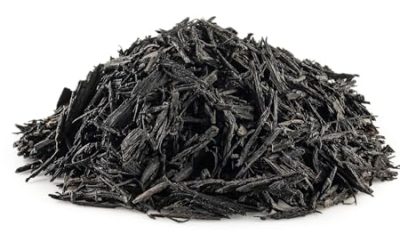
A layer of coarse gravel, broken brick, or large bark chips at the bottom of a bed creates air gaps that help water move away from the roots. This matters most on heavy clay, where a flat fabric sheet can sit in a puddle, and on concrete, where there is no soil below to absorb water. Keep the coarse layer shallow, around two inches, so it does not steal growing depth from the soil above, and separate it from the soil with fabric if you want to stop the soil washing down into the gaps. Gravel does not block weeds or pests on its own, so pair it with fabric or mesh when those are problems too.
How to Install Your Raised Bed Base
Clear and level the spot. Remove stones, roots, and debris, mow grass as short as you can, and check the ground is level with a long board or a spirit level. A bed that tilts will dry out on one side and stay wet on the other, so spend time on this step.
Tackle the weeds first. For light grass, lay wet cardboard in overlapping sheets. For spreading weeds with deep roots, cut them back, cover the area for a few weeks before building, or choose a heavier fabric layer instead of cardboard alone.
Add the pest barrier if you need one. Cut hardware cloth a few inches wider than the frame, lay it flat, and staple or screw it firmly to the bottom edge of the frame, folding the edges up inside the walls. Overlap joins by several inches and check for gaps.
Lay the weed layer. Roll fabric or lay cardboard over the mesh or directly on the ground, overlapping every seam by several inches and pinning the edges so it does not shift when you add soil.
Add drainage material where the ground needs it. On clay or concrete, spread a shallow layer of coarse gravel before the soil goes in, and leave a small gap at the low side of the bed where excess water can escape.
Fill in layers. Add a base of coarse organic matter such as sticks and leaves, then topsoil mixed with compost, watering each layer lightly as you go so the bed settles evenly before planting.
Which One Fits Your Situation
You Are Building on Lawn or Weeds
Start with wet cardboard in two overlapping layers, then fill with soil and compost. The cardboard smothers the grass, rots into the soil in a season, and costs almost nothing, making it the easiest first base for a new bed. If the lawn is full of couch grass or bindweed, add heavy woven fabric above the cardboard for extra insurance. Skip the open bottom, because grass will push through before your seedlings establish, and you will spend the season weeding.
You Have Gophers, Moles, or Voles
Fit galvanised hardware cloth with half-inch openings to the frame bottom before filling the bed, and fold the edges up inside. This is the only base here that reliably stops burrowing animals, and it works on lawn, bare soil, and clay alike. Add fabric above the mesh if weeds are a problem, and keep the bed deep enough for roots to grow above the mesh. Do not rely on cardboard or fabric alone: teeth and claws get through both easily.
Your Bed Sits on Concrete or Paving
Use a permeable base, such as coarse gravel with fabric above it, that lets water escape, and build at least a foot deep so the soil stays moist. Roots cannot reach soil below, so the mix matters more: blend topsoil and compost rather than pure compost, which dries out fast. Leave small drainage gaps at the low side, and check after heavy rain that water is not pooling underneath. Mesh is optional here, since burrowing animals rarely cross paving.
You Rent or May Move the Bed
Choose layers you can lift away, such as cardboard and one sheet of landscape fabric, and avoid mesh fixed to a frame you may dismantle. A bed on fabric can be emptied, rolled up, and moved, leaving little trace on the lawn, which suits a rented garden. Keep the bed modest so one or two people can shift it, and use bagged soil or reusable mix. If the landlord later agrees to a permanent bed, add mesh then.
Common Mistakes
- Laying solid plastic sheeting under the bed: plastic blocks drainage, traps water, and suffocates the soil below, leaving roots in a puddle after rain.
- Skipping the pest barrier where gophers are active: fabric and cardboard will not stop burrowing animals, so a bed without mesh can lose a whole crop overnight.
- Using thin fabric that tears: a flimsy sheet rips when you fork the soil or pull a root, and weeds find the tear within weeks.
- Leaving gaps at the seams and edges: weeds and pests use any opening, so overlap every join by several inches and fix the edges to the frame.
- Building on sloping or unlevel ground: a tilted bed dries on one side and stays wet on the other, so level the spot before you set the frame down.
Frequently Asked Questions
Do raised garden beds need a bottom?
No, most raised beds do fine with an open bottom on decent soil, because roots grow into the ground and water drains naturally. A bottom layer helps when the ground below is weedy lawn, heavy clay, concrete, or home to burrowing pests. In those cases the base solves a specific problem: smothering weeds, improving drainage, or blocking animals. Choose the layer for the problem you have, not for every bed.
What is the best base for a raised bed on grass?
Thick wet cardboard in two overlapping layers is the simplest base for a bed on grass, because it smothers the lawn, rots into the soil, and costs almost nothing. Add heavy woven fabric above it if the lawn has spreading weeds such as couch grass or bindweed. An open bottom lets grass grow straight into the bed, so avoid it on a lawn unless you strip the turf first.
Should I put landscape fabric under a raised bed?
Yes, if weeds are your main problem and the ground drains well, because woven fabric blocks light while letting water and air through. Choose a heavy woven fabric rather than a thin sheet, overlap the seams, and pin it down before filling. Skip fabric if drainage is already poor on clay, since a sheet can trap water, and do not expect fabric to stop gophers or moles.
How do I keep gophers out of a raised bed?
Fit galvanised hardware cloth with half-inch openings to the bottom of the frame before filling, stapling it firmly and folding the edges up inside the walls so there is no gap. Overlap joins by several inches and check the corners carefully. Fabric, cardboard, and plastic will not stop burrowing animals. A mesh base also needs a bed deep enough for roots to grow above it.