Key takeaways
- Compare wood, metal, stone and composite for raised garden beds, and learn the durability, safety and cost trade-offs before you build in your garden.
A raised garden bed is only as good as the material that holds it together. The walls of the bed decide how long it lasts, how warm the soil stays in spring, how safe it is for growing food, and how much work it needs over the years. Pick the wrong material and you may be rebuilding the bed far sooner than expected, or watching the sides bow outward under the weight of wet soil. Pick the right one and the bed quietly does its job season after season while you focus on the plants.
This guide compares the main materials for raised beds — wood, metal, stone and brick, and composite and recycled plastic — so you can weigh durability, safety, climate and upkeep side by side. It is written for first-time builders choosing their first bed, for experienced gardeners replacing a worn-out one, and for renters and small-space growers who need something that can move with them. As an Amazon Associate we earn from qualifying purchases.
How to Choose
How Long the Bed Should Last
Start by deciding how many years you want the bed to serve before it needs replacing. Some materials break down naturally in damp soil and may need new boards or panels within a few seasons, while others hold their shape for decades with almost no attention. A bed you plan to keep in one spot for a long time deserves a tougher material, even if it takes more effort to build. A bed you may move, resize or replace soon does not need the longest-lasting option. Think about how much rebuilding you are willing to do, and match the material to that horizon rather than to what looks best on the first day.
Safety for Growing Food
If you plan to grow vegetables, herbs or fruit you will eat, safety matters more than appearance. Some older treated timbers were preserved with chemicals that can leach into soil, so it is important to know exactly what any wood has been treated with before it touches your growing mix. Untreated natural wood, stone, brick and food-safe metals are generally straightforward choices for edible planting. For any material, check what it is made from and whether the manufacturer states it is safe for food gardening. When in doubt, line the inside of the bed or choose a material with a clear food-safe record. A quick check of the product label usually answers the question before you buy.
Your Climate and Soil Conditions
Climate shapes how each material behaves. In wet regions, wood stays damp and rots faster, while metal and stone shrug off the moisture. In hot, sunny areas, dark metal can warm the soil quickly, which helps early growth but can dry the edges out in a heatwave. Freezing winters crack brittle materials and push loose stonework out of alignment, so cold-climate gardeners need something that tolerates freeze and thaw. Heavy clay soil also puts more pressure on bed walls than light, sandy soil. Choose a material that suits your rainfall, temperature swings and soil type, not just your local garden centre display. A material that copes with your worst season will save you a rebuild later.
Budget, Effort and Appearance
Every material asks for a different mix of money, labour and skill. Wood is usually the simplest to cut and assemble with basic tools, while stone and brick demand more time, strength and masonry skill. Metal and composite panels often arrive ready to bolt together, which saves building time but limits how much you can customise the shape. Appearance counts too: a bed sits in your garden for years, so it should suit the style of the space, whether that is rustic timber, clean modern metal or a solid stone wall. Weigh what you can spend, what you can build yourself, and what you will enjoy looking at every day, since a bed you dislike gets less care.
Material by Material
The four main materials each have a distinct character. None of them is the best choice for every garden, and the differences come down to how they age, how they handle water and heat, and how much care they ask for. The sections below look at each one on its own terms, so you can compare them fairly before you commit.
Wood
Wood is the most common raised bed material for good reason. It is easy to cut to any length, simple to screw together into any shape, and it looks natural among plants. Untreated hardwoods and naturally rot-resistant species such as cedar and redwood last longer than soft pine, which breaks down quickly in damp soil. Wood also insulates the soil, keeping roots cooler in summer and warmer in early spring. Its weakness is decay: even good timber eventually rots at the soil line, boards can warp, and untreated wood may need replacing after several seasons. Repairs stay simple. Avoid old railway sleepers and mystery treated timber near food crops.
Metal
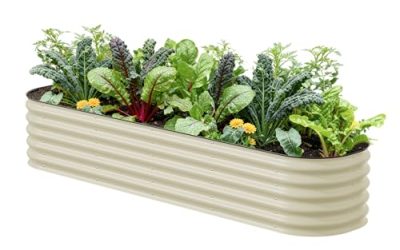
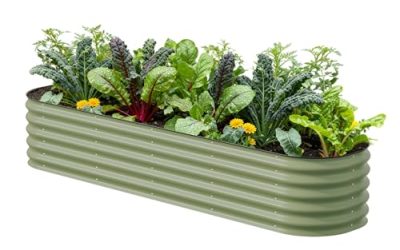
Metal beds, usually galvanised steel or aluminium, are popular for their clean look and long life. They do not rot, they resist insects, and thin panels are light enough for one person to move. Galvanised steel holds its shape well under soil pressure, and corrugated panels add strength without much weight. The main drawback is heat: in full sun, metal walls warm up and can dry out the soil near the edges, so plants close to the sides may need extra watering. Metal can also dent, and cheaper panels may rust once the coating is scratched. With care, a metal bed often outlasts a wooden one by many years.
Stone and Brick
Stone and brick make the most permanent raised beds. A well-built stone wall can last for decades, shrugs off rot and insects entirely, and gives a garden a solid, finished feel that suits formal or cottage styles alike. Stone also stores heat during the day and releases it slowly at night, which can gently warm the soil in spring. The trade-offs are weight and effort: stone and brick are heavy to move, need a level footing, and usually call for mortar or careful dry stacking. They are also hard to move or reshape later, so they suit gardeners who are sure about the bed’s position and size.
Composite and Recycled Plastic
Composite boards and recycled plastic lumber are made to look like wood while resisting the problems that rot timber. They do not splinter, they ignore damp and insects, and they need no painting or sealing, which makes them a low-maintenance option for busy gardeners. Many are made partly from recycled material, which appeals to growers who want to keep plastic out of landfill. The downsides are flexibility and feel: some composite boards bend under soil pressure unless they are well supported, and they can look less natural than real timber. They are also heavier than they appear, so check the weight before planning a tall bed.
Which One Fits Your Situation
Building Your First Bed and Learning as You Go
If you are building your first raised bed, choose a forgiving material. Wood is the easiest to cut, adjust and rebuild if your measurements are off, and a simple timber frame can be put together in an afternoon with basic tools. Metal kits are another friendly option because the panels arrive cut to size and bolt together. Avoid stone for a first build unless you already have masonry experience, since mistakes in a mortared wall are hard to undo.
Growing Vegetables and Herbs to Eat
When the harvest ends up on your plate, put safety first. Untreated cedar or redwood, stone, brick and food-safe galvanised steel are all solid choices for edible beds. Whatever you pick, find out exactly what the material contains and whether it is rated safe for food gardening. Skip any timber with an unknown or unclear treatment history, and consider lining the inner walls of a bed you are unsure about so the soil never touches the material directly.
Gardening in a Hot, Wet or Freezing Climate
Climate should steer your choice more than fashion. In wet regions, metal, stone or composite will outlast wood by far, since they do not rot in constant damp. In very hot, sunny gardens, wood or light-coloured materials keep the soil cooler at the edges than dark metal, which can heat up fast. Where winters freeze hard, avoid brittle plastics and loose dry stone that frost can shift; mortared stone, metal and sturdy timber handle freeze and thaw far better.
Wanting a Bed That Lasts for Years With Little Upkeep
If you want to build once and forget maintenance, choose the longest-lived materials. Mortared stone or brick can last decades with almost no care, and galvanised metal or composite need only an occasional check for rust or loose fixings. Wood is the wrong pick here, because even good timber eventually needs replacing. A careful build at the start — a level base, solid corners and good drainage — matters more than the material for a low-maintenance bed.
Common Mistakes
- Choosing a material only because it looks good, without checking how it handles your rainfall, frost or summer heat.
- Using old treated timber or salvaged wood of unknown origin for a bed that will grow food.
- Building walls too thin or with weak corners, so the sides bow outward once the bed is filled with wet soil.
- Forgetting drainage and a level base, which lets water pool against the walls and speeds up rot or frost damage.
- Making the bed so wide you cannot reach the middle without stepping on the soil and compacting it.
Frequently Asked Questions
What is the safest material for raised garden beds?
Untreated natural wood, stone, brick and food-safe metal are the safest choices for edible gardening, because they release no preservatives or unknown chemicals into the soil. Avoid timber with older chemical treatments and any salvaged wood you cannot identify. If you are unsure about a material, check whether the supplier rates it safe for food gardening, or line the inside of the bed so soil never touches the walls.
How long does a wooden raised bed last?
It depends on species and climate. Rot-resistant woods such as cedar and redwood can last many seasons, while untreated soft pine in damp soil may soften and bow within a few years. Good drainage, a bed clear of standing water, and boards kept clear of constant soil contact at the base all help timber last longer. Even the best wood will eventually need replacing, so plan for that.
Do metal raised beds get too hot for plants?
Metal walls warm up in strong sun, and the soil near the edges can dry out faster than the centre. This rarely matters in mild climates or in beds watered regularly, and the extra warmth can help seeds germinate in spring. In very hot regions, choose light-coloured panels, shade the sides at the hottest time of day, or mulch near the edges to keep the soil cool and moist.
Can I build a raised bed directly on grass or concrete?
Yes, both work, but each needs preparation. On grass, remove the turf or lay cardboard to smother weeds, then fill with growing mix so roots can reach the soil below. On concrete, drainage is the key issue: leave gaps at the base, add coarse material below, and use a deeper bed so roots have room. A bed on concrete will dry out faster, so expect to water more often.