Our Short List of 3
All 5 Picks at a Glance
| Product | Specs | Action |
|---|---|---|
 1. Energizer MAX D — best overall for winter kits | Check price on Amazon | |
 2. Duracell Coppertop D — best for high-drain winter gear | Check price on Amazon | |
 3. Amazon Basics D — best value for several devices | Check price on Amazon | |
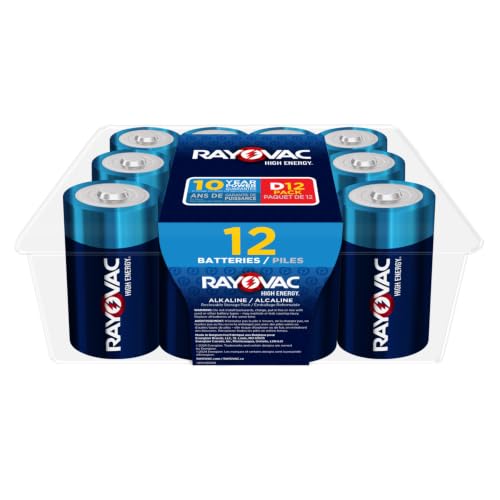 4. Rayovac High Energy D — best budget alkaline | Check price on Amazon | |
 5. EBL NiMH D — best rechargeable for repeated use | Check price on Amazon |
Key takeaways
- Compare the best cold weather D cell batteries for flashlights, lanterns and emergency gear, with honest notes on alkaline limits, storage and warming tips.
As an Amazon Associate we earn from qualifying purchases.
Affiliate Disclosure: This article contains affiliate links. If you buy through a link on this page, we may earn a commission at no extra cost to you.
A big flashlight that was bright in October can feel weak on a January night, and the batteries are usually the reason. Cold slows the chemical reactions inside every D cell, so voltage sags sooner, high-drain lanterns dim earlier, and a radio that ran for weeks indoors may quit after a few cold nights in a garage, cabin or car kit. This guide compares D cell batteries that make sense for cold weather use, explains what cold actually does to each chemistry, and sets out the storage and warming habits that matter as much as the brand on the wrapper.
One honest limit belongs at the top. There is no widely sold, standard-voltage lithium primary D cell from a major brand on Amazon US in the way there is for AA. The familiar cold-weather advantage of lithium primary chemistry is therefore mostly unavailable in a true 1.5-volt D size. For most readers, the practical cold weather choice is a fresh, name-brand alkaline D cell, kept warm until it is needed, plus a rechargeable option for gear that cycles often at home. The picks below follow that reality instead of pretending a specialty cell solves it.
Quick picks
- Best overall for winter kits: Energizer MAX D — a proven alkaline D cell with a long stated storage life, suited to flashlights and emergency lanterns that sit ready for months.
- Best for high-drain winter gear: Duracell Coppertop D — a widely available alkaline D cell with a long storage guarantee from the maker, suited to lanterns, radios and motor-driven devices.
- Best value for stocking several devices: Amazon Basics D — a larger alkaline pack for households that run several D-powered lights, clocks and toys through winter.
- Best budget alkaline: Rayovac High Energy D — a long-running alkaline line for readers who need dependable cells for moderate-drain gear.
- Best rechargeable for repeated use: EBL NiMH D — a high-capacity rechargeable D cell for frequently used gear, with an important cold caveat explained below.
What cold does to a D cell
All batteries deliver power through chemical reactions, and cold slows those reactions. Internal resistance rises, so the cell cannot hold its voltage under load. A lantern on its brightest setting is a heavy load, which is why it dims first. A wall clock or a low-power radio is a light load, which is why the same cold cell can seem fine there. Warming a cold cell back to room temperature restores much of its apparent strength, because the effect is largely temporary rather than permanent damage. That single fact drives the best winter habit: store the working set warm, and rotate cold spares indoors before use when you can.
Alkaline cells, the standard D chemistry, are generally rated by their makers for use down to well below freezing, but rated and strong are different things. Output falls as temperature drops, and the fall is steepest under heavy drain. Carbon-zinc cells, still sold cheaply in some places, perform worse in cold and are not recommended here at all. Nickel-metal hydride rechargeables also lose capacity and voltage in deep cold, and they self-discharge faster than alkaline in storage, although modern low-self-discharge designs have narrowed that gap. Lithium-ion rechargeable D cells with built-in regulation hold a steady voltage, but their makers’ charging limits matter in winter: charging a lithium cell below freezing can damage it, so they belong in a warm charging routine, not a freezing garage routine.
Freezing also raises a second risk that has nothing to do with runtime. Repeated freeze and thaw cycles, condensation when cold gear comes indoors, and old cells left in a device all raise the chance of leakage. Alkaline leakage can corrode contacts in a good flashlight. For winter storage, removing cells from gear that will sit unused in an unheated space, and inspecting them in spring, is cheap insurance.
How we chose these picks
Every pick is a true D size cell, the same type the keyword asks for, sold on Amazon US. We favoured major manufacturers with published storage claims and consistent model lines, because date codes and fresh stock matter more in winter than exotic claims. We did not test these cells ourselves, and no runtime figure in this article comes from our own bench. Specifications are taken from the product listings and manufacturer descriptions, and cold weather guidance follows the general operating limits those makers publish for alkaline and nickel-metal hydride chemistries. Where a claim is a manufacturer’s storage claim, we say so, because a storage claim is not a promise of full power at deep-freeze temperatures.
Pack size also shaped the list. Winter preparedness usually means powering more than one device, so the picks are multi-cell packs rather than single cells. Finally, we left out industrial lithium thionyl chloride D cells. Those are real D-size cells and they tolerate cold very well, but they deliver a different voltage for specialised equipment, are not drop-in replacements for a 1.5-volt flashlight or lantern, and recommending them here would put the wrong battery in ordinary household gear.
1. Energizer MAX D — best overall for winter kits
The Energizer MAX D is the default recommendation for a winter emergency kit because it does the ordinary things well. It is a 1.5-volt alkaline D cell from one of the longest-running battery lines in the United States, sold here as an eight-cell pack, which is enough for a large lantern and a spare set, or for two medium flashlights. Energizer states that MAX cells hold power for up to ten years in storage, a manufacturer claim that matters for a kit you assemble once and check rarely. Fresh stock with a long remaining storage life is exactly what you want in a cell that may sit in a hall closet from one winter to the next.
In cold use, expect the usual alkaline behaviour rather than magic. Output will sag sooner on a freezing night than indoors, especially on a lantern’s highest setting. The practical response is to run the lantern a step below maximum, which cuts drain sharply, and to keep the spare set in an inside pocket or an insulated bag rather than in a frozen car boot. Because the MAX line is sold almost everywhere, replacing an ageing set with fresh, consistently dated cells is easy, and consistency matters: mixing old and new cells in one device lets the weakest cell drag the set down and raises leakage risk.
Choose this pack if your winter gear is mostly emergency lighting and a portable radio, and if you value a known brand with a long stated shelf life over the lowest cost per cell. Skip it if your gear runs nightly for hours, where the rechargeable pick below will serve you better over a season.
2. Duracell Coppertop D — best for high-drain winter gear
Duracell Coppertop is the other established American alkaline line, and its D cell, sold here as an eight-cell pack, is a strong fit for higher-drain winter devices: bright LED lanterns, portable heaters’ ignition and fan circuits where D cells are specified, boomboxes, and motorised toys that grandchildren bring at the holidays. Duracell states that Coppertop C and D cells are guaranteed to last ten years in storage, again a manufacturer claim, and the line has a long record of consistent sizing, which matters in older flashlights with tight battery tubes and spring contacts that dislike undersized cells.
Cold performance follows the same alkaline pattern. Under a heavy load in deep cold, voltage will dip and a device with a low-voltage cut-off may shut down earlier than expected. If that happens on a winter night, the field fix is simple and worth teaching everyone in the house: bring the cells indoors, let them warm to room temperature, and refit them. Much of the lost output returns. Do not warm cells on a radiator, in an oven or with open flame, which risks damage and leakage; room-temperature warming is enough.
Choose Coppertop if you run brighter, thirstier gear and want a widely stocked brand with a clear storage guarantee. It is also a sensible second brand to keep in the house so that a single bad batch or a stock shortage never leaves every device dependent on one purchase.
3. Amazon Basics D — best value for several devices
Some households discover in the first cold snap that D cells are everywhere: two flashlights, a camping lantern, a battery radio, a clock and a toy or two. The Amazon Basics D cell, sold here as a twelve-cell alkaline pack, suits that pattern. It is a 1.5-volt alkaline D cell with a stated five-year shelf life from the maker, a shorter storage claim than the two brands above, which is the honest trade-off in this pick. In exchange, the larger pack makes it practical to fit fresh cells in every device at the start of winter and still hold spares, rather than rationing premium cells across gear.
For cold weather, treat these cells with a shorter rotation cycle. Because the stated storage life is shorter, buy them for the coming season or two rather than for a five-year emergency cache, check date codes when the pack arrives, and use the oldest cells first in low-drain devices such as clocks. In a freezing garage, expect the same alkaline sag as any other brand; the warming and rotation advice in this guide applies unchanged.
Choose the Amazon Basics pack if you are fitting out several devices at once and will use the cells within a couple of winters. Choose one of the longer-storage brands above instead for a sealed emergency kit you intend to forget about for years.
4. Rayovac High Energy D — best budget alkaline
Rayovac’s High Energy line is the long-running budget alternative among American alkaline brands, and its D cell, sold here as a twelve-cell pack, covers the moderate-drain end of winter use well: radios, clocks, LED candles, smaller lanterns and occasional-use flashlights. Rayovac describes the line as its long-lasting everyday alkaline range, with storage claims of up to ten years for its AA and AAA lines and a similar everyday positioning for its larger cells; readers should check the exact storage statement printed on the D pack they receive, since claims vary by size and by production run.
In cold conditions, a budget alkaline behaves like any alkaline of the same chemistry. There is no separate cold-weather technology hiding in any of these wrappers, and any guide that implies otherwise is overselling. What you are choosing between brands is consistency, freshness, sizing accuracy and how much you trust the storage claim. On those points Rayovac is a legitimate, established maker, and for a low-drain radio in a cold cabin it will do the same job as a pricier cell.
Choose Rayovac if the devices are modest and the budget is real, for example stocking a cabin, a workshop or a scout hut. For the brightest lantern you own, or for the one kit that must work in an emergency, one of the first two picks is the more conservative choice.
5. EBL NiMH D — best rechargeable for repeated use
The EBL rechargeable D cell is a nickel-metal hydride cell rated by its maker at a high capacity for the size, sold here as an eight-cell pack. It suits a different winter pattern from the alkaline picks: gear that runs often and drains cells weekly, such as a work light in a barn, a lantern used every evening in an off-grid cabin, or a radio that plays all day. Over a season, recharging beats repeatedly buying disposables for that pattern, and modern nickel-metal hydride cells hold a useful share of their charge in storage, with EBL stating that its cells retain most of their capacity after extended storage. Those figures are manufacturer claims, and real retention depends on storage temperature.
The cold caveat is important and we will not bury it. Nickel-metal hydride output falls in deep cold, and a freshly charged cell taken straight into freezing weather will deliver noticeably less than it does indoors. These cells earn their place here for repeated use in and around a warm base, where they can be charged indoors, used outside, and rotated back in. Charge them at room temperature, keep the working set warm between uses, and do not leave them flat for months, which shortens their life. They also deliver a slightly lower voltage than fresh alkaline, so a few older devices with strict voltage cut-offs may signal low battery early; that is a known trait of the chemistry, not a fault in a particular pack.
Choose EBL if your use is frequent and your charging happens indoors. For a sealed, years-long emergency cache in an unheated space, alkaline remains the right answer.
Storage and use habits that matter more than brand
First, store the main stock indoors at ordinary room temperature, not in a freezing garage or a hot attic. Cold storage does not ruin alkaline cells, but a warm, dry, stable place keeps date codes honest and contacts clean. Second, warm the working set before a cold night out. Cells carried in an inside pocket and fitted at the last moment start stronger and stay stronger. Third, lower the drain. A lantern one step below maximum often runs dramatically longer in the cold, because voltage sag is driven by load. Fourth, replace sets together and never mix chemistries, brands or old and new cells in one device. Fifth, remove cells from gear stored unused through winter, and check contacts for corrosion in spring. Sixth, keep a small reserve of fresh alkaline cells even if you mostly use rechargeables, because alkaline is the chemistry that tolerates being forgotten.
A note on disposal and safety: never recharge a single-use alkaline cell, never put any battery in a fire, and recycle spent cells through a local collection point where one exists. Swollen, leaking or corroded cells should be removed carefully, kept away from children, and taken to a hazardous waste or battery recycling point rather than put in household rubbish.
Buying checklist
- Confirm the device really takes D cells, sometimes marked LR20 for alkaline.
- Check the date code or use-by guidance on the pack when it arrives, and return stale stock.
- Match the chemistry to the job: alkaline for storage and emergencies, nickel-metal hydride for frequent cycling with indoor charging.
- Count the devices, then buy one fitted set plus one spare set for the main light.
- Plan the warm place: an inside drawer for stock, an inside pocket for the working spare set.
- Note the rotation date on the kit with a marker, so next winter’s check takes a minute.
Frequently asked questions
Do any D cells truly excel in freezing weather? Within standard household sizes, no alkaline or nickel-metal hydride D cell escapes the physics of cold. Fresh cells, warm storage and lower drain settings do more than any brand claim. Specialised lithium D cells exist for industrial equipment at a different voltage and are not safe substitutes in ordinary 1.5-volt gear.
Can I leave D cells in a car kit all winter? You can, but expect reduced output on the coldest nights and a shorter useful life from temperature swings. A better car routine is a fresh alkaline set fitted at the start of winter, replaced each year, with the understanding that warming the cells restores much of their strength.
Why did my lantern shut off outside but work again indoors? That is classic cold voltage sag. Under load, the cold cells fell below the lantern’s cut-off voltage; warmed up, their voltage recovered. It does not necessarily mean the cells are finished.
Should I refrigerate batteries to make them last? No. Modern guidance from major makers is room-temperature, dry storage. Refrigeration adds condensation risk when cells come out, with no meaningful benefit for alkaline cells.
Are rechargeable D cells worth it for winter? For frequent use with indoor charging, yes. For a rarely touched emergency kit in an unheated space, no; fresh alkaline with a long storage claim is the safer choice.
Verdict
For most readers, the Energizer MAX D is the winter default: fresh, consistent alkaline cells with a long stated storage life for the kit that must work. Duracell Coppertop is the equal-standing alternative for thirstier gear. Amazon Basics and Rayovac cover multi-device and budget needs honestly, with shorter or size-dependent storage claims to note. EBL’s rechargeable cells serve the frequent-use pattern, provided charging and storage stay indoors. Whichever you choose, warm storage, full-set replacement and a spare set carried warm will do more for your winter lighting than any single buying decision.